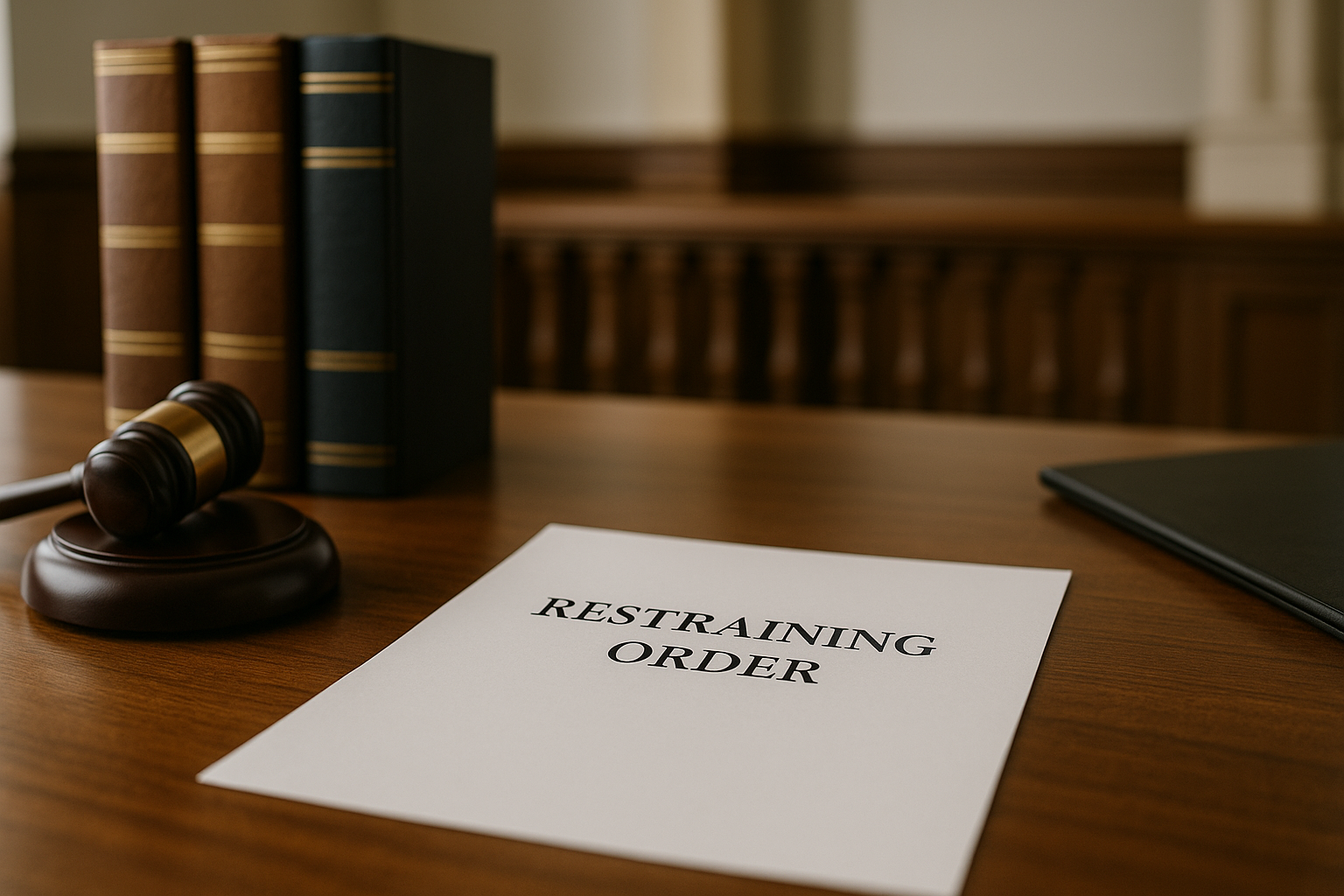
When you’re facing threats, harassment, or fear of harm, the law provides tools to help protect you — one of the most immediate is a restraining order. This legal remedy can serve as a shield in situations involving domestic violence, stalking, property disputes, and more. But what exactly is a restraining order, and how can you obtain one in Texas?
Let’s break it down.
🔒 What Is a Restraining Order?
A restraining order (often called a protective order in Texas) is a court-issued legal document that prohibits a person from engaging in certain behaviors, such as:
- Coming near you or your home
- Contacting you via phone, email, or social media
- Committing acts of violence or harassment
- Entering shared property or places like your workplace
These orders are designed to prevent harm before it happens, giving law enforcement a legal basis to intervene if the individual violates the order.
🚨 Types of Restraining Orders in Texas
- Temporary Ex Parte Orders
- Issued quickly without the other party present.
- Based on immediate danger.
- Typically lasts up to 20 days.
- Final Protective Orders
- Issued after a hearing where both sides present evidence.
- Can last up to two years or longer in extreme cases.
- Magistrate’s Orders for Emergency Protection (MOEP)
- Common after an arrest for family violence or stalking.
- Often issued automatically by a judge.
📝 When Can You Request a Restraining Order?
You can request a restraining or protective order if you’ve experienced:
- Physical abuse or threats of violence
- Harassment or stalking, including cyberstalking
- Sexual assault
- Damage or threats to property in a civil dispute
- A pattern of intimidating behavior (even without physical violence)
In Texas, protective orders are most commonly associated with family violence, but they can also apply to non-domestic situations, like neighbor disputes or workplace harassment.
📂 How to Apply for a Restraining Order
- Go to the County Courthouse
File a petition in the county where you live or where the alleged abuse occurred. - Fill Out the Paperwork
Be specific. Include dates, descriptions of incidents, and any police reports or texts/emails that support your claim. - Appear Before a Judge
For emergency orders, you may have a short hearing the same day. Be prepared to explain why you feel unsafe. - Serve the Order
If granted, the court will have the respondent (the person you’re seeking protection from) served with the order. - Attend the Final Hearing
If requesting a longer-term order, a second hearing will be scheduled (usually within 2–3 weeks). Both parties will present evidence.
📸 What Evidence Do You Need?
While you don’t need proof beyond a reasonable doubt, the more evidence you provide, the stronger your case. Examples include:
- Police reports or incident numbers
- Medical records or photos of injuries
- Threatening messages, voicemails, or emails
- Witness statements
- Timeline of events showing a pattern of harassment or abuse
⚖️ What Happens If the Order Is Violated?
Violating a restraining order is a criminal offense. Police can arrest the respondent immediately. Penalties range from fines to jail time, especially for repeat offenses.
🤝 Need Help? Talk to a Lawyer
While Texas courts allow you to file a restraining order on your own, working with an attorney can:
- Help you gather strong evidence
- Prepare you for court appearances
- Ensure your paperwork is accurate and timely
- Improve your chances of a longer-term order being granted
If you’re considering applying for a restraining order or have questions about your legal rights, our team at The Woodlands Law Firm is here to help.
📞 Contact us today for a private consultation and take the first step toward peace of mind.
Leave a Reply