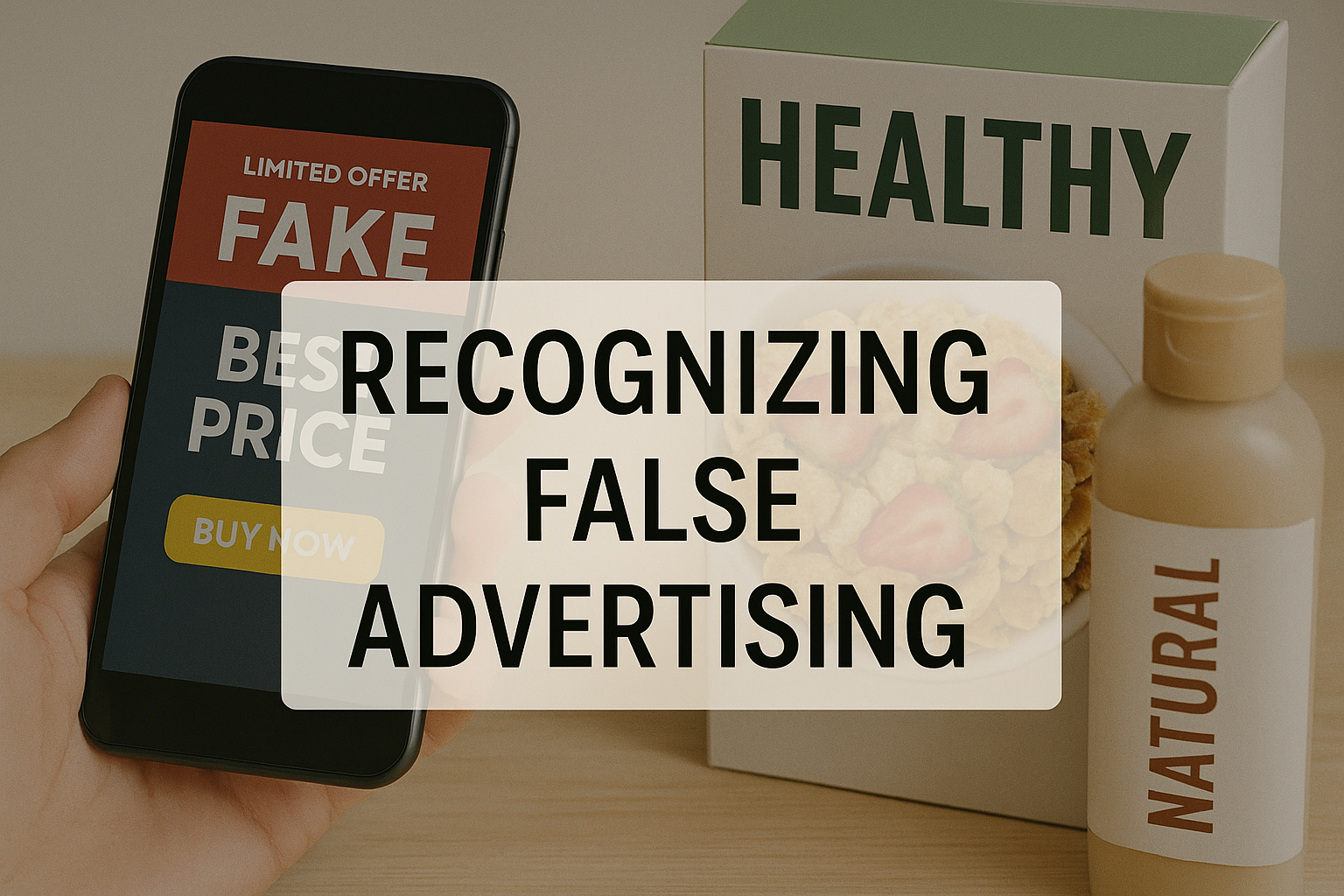
False advertising deceives consumers into making purchases based on exaggerated, incomplete, or outright untrue claims. These misleading tactics can cost you money and distort your ability to make informed choices. Understanding what qualifies as false advertising — and how to respond — is essential for protecting your rights.
What Is False Advertising?
False advertising refers to any promotion or marketing communication that misrepresents a product or service in a way that is likely to mislead a reasonable consumer. This can occur through words, images, omissions, or even pricing strategies.
Common examples include:
- Exaggerated performance claims (e.g., “guaranteed to cure all symptoms overnight” without scientific backing)
- Hidden conditions or disclaimers (e.g., a product advertised as “free” that requires a costly subscription)
- Misleading images (e.g., food photos that don’t represent actual contents)
- False endorsements or fake reviews
- Bait-and-switch tactics (advertising a low-priced item to lure customers, then pushing a more expensive product)
Under both federal and state law, these practices can trigger civil or regulatory penalties.
Legal Standards and Protections
The Federal Trade Commission (FTC) enforces laws against deceptive marketing under Section 5 of the FTC Act (15 U.S.C. § 45). To be unlawful, an ad must:
- Contain a representation, omission, or practice;
- Be likely to mislead consumers acting reasonably under the circumstances;
- Be material, meaning it would affect the consumer’s decision to purchase.
States also have “Little FTC Acts” and deceptive trade practices statutes, such as the Texas Deceptive Trade Practices Act (DTPA), which offer consumers remedies including actual damages, attorney’s fees, and, in certain cases, treble damages.
How to Spot False Advertising
To protect yourself from deceptive claims, use the following guidelines:
- Read the fine print. Look for hidden terms or disclaimers that conflict with bold claims.
- Verify health, safety, or performance claims. Look for reliable third-party testing or studies.
- Watch for unrealistic guarantees. If it sounds too good to be true, it likely is.
- Check for authenticity in reviews or endorsements. Search beyond the company’s website.
- Pay attention to omissions. Is key information about risks or side effects missing?
How to Report False Advertising
If you suspect a business is engaging in deceptive practices, you can take action:
1. Report to the FTC
File a complaint online at www.reportfraud.ftc.gov. The FTC investigates patterns of deceptive practices and may take enforcement actions.
2. Contact Your State Attorney General
Many states have consumer protection divisions that investigate violations of state deceptive trade practices laws.
3. File a Complaint with the Better Business Bureau (BBB)
While not a legal agency, the BBB tracks consumer complaints and may help resolve disputes.
4. Seek Legal Advice
If you’ve suffered financial harm due to misleading advertising, consult with a consumer protection attorney. Legal remedies may include actual damages, injunctive relief, or participation in a class action if others were similarly affected.
Conclusion
False advertising undermines consumer trust and can result in real harm. By learning to recognize deceptive tactics and knowing how to respond, you protect yourself — and help hold businesses accountable.
If you believe you’ve been misled by a company’s marketing practices, our firm is here to help. We provide strategic guidance and legal representation in consumer protection matters.
Leave a Reply