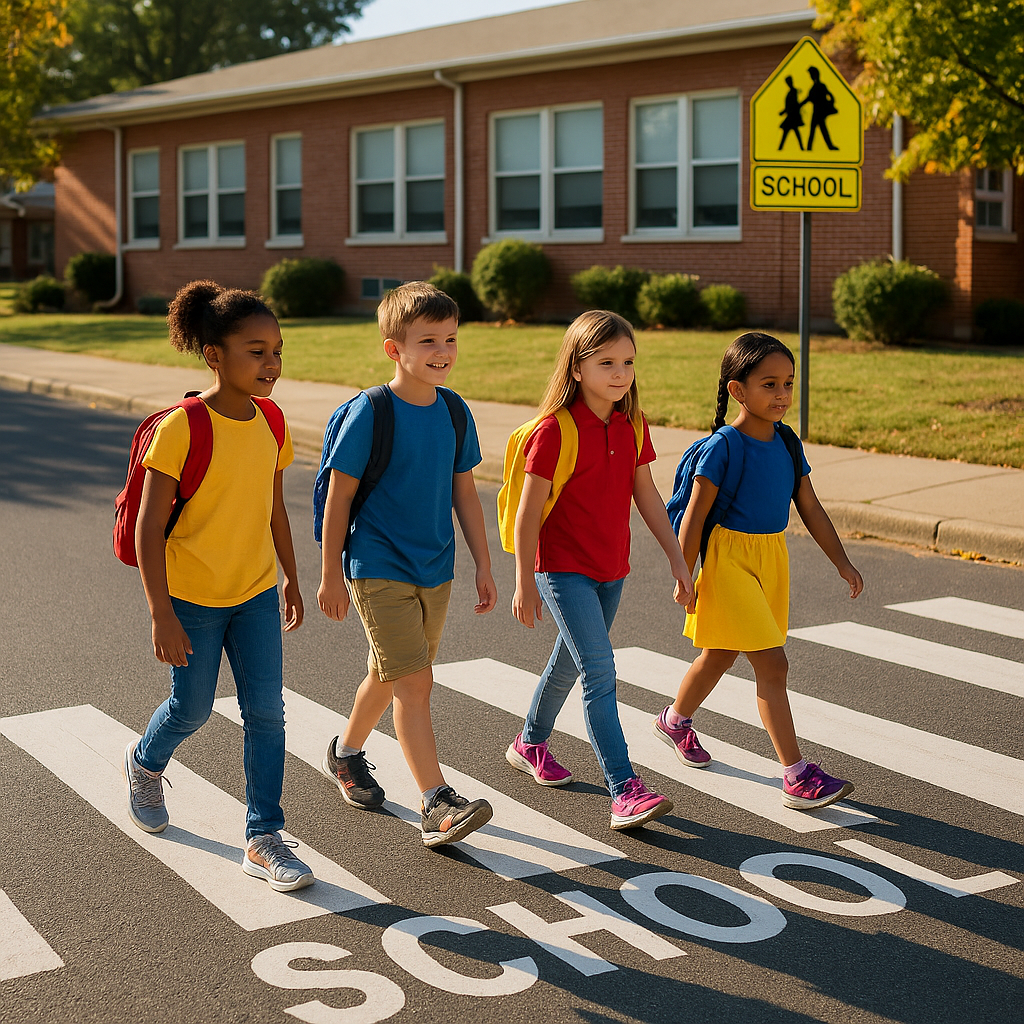
It was only the second week of school when a car failed to stop at a crosswalk outside Jefferson Elementary.
A fifth-grader, hurrying to meet friends, darted into the street. Thankfully, the driver braked just in time—but it was a terrifying reminder: school zones are some of the most dangerous areas for both kids and drivers at the start of the school year.
As the bell rings and backpacks hit the sidewalks, traffic congestion spikes, drop-off lines overflow, and distracted driving increases. Every year, news headlines remind us how quickly a normal school day can turn into a preventable tragedy.
Understanding the Risks Around School Zones
The first weeks of school bring:
- Heavier pedestrian traffic with children walking or biking.
- Distracted drivers juggling work schedules, morning coffee, and GPS directions.
- Confusing drop-off routines that lead to unsafe U-turns or double parking.
The National Highway Traffic Safety Administration (NHTSA) reports that most school-age pedestrian fatalities occur in the hours right before and after school.
Legal Responsibilities for Parents and Drivers
Both parents and drivers play crucial roles in keeping students safe:
Drivers Must:
- Obey posted school-zone speed limits.
- Stop fully at crosswalks and bus loading zones.
- Avoid distracted driving (texting in school zones is often illegal).
Parents Must:
- Teach children to use crosswalks and follow crossing guards.
- Avoid unsafe drop-offs, like letting kids exit on the street side.
- Ensure young cyclists wear helmets and know traffic rules.
Failure to follow these responsibilities can lead to serious liability if an accident occurs.
Actionable Tips to Prevent Accidents
- Plan drop-offs to avoid rushing—leave 10–15 minutes early.
- Walk the route with young kids to teach safe crossing habits.
- Use school-approved drop-off zones to reduce traffic chaos.
- Remind teen drivers about school-zone rules and distracted driving penalties.
What to Do if an Accident Happens
Even with precautions, accidents can occur. Here’s what families should do:
- Seek immediate medical attention for anyone injured.
- Call the police to create an official accident report.
- Document the scene with photos, videos, and witness names.
- Notify your insurance and provide all documentation promptly.
Insurance Claims:
- Student Injuries: May involve the driver’s auto policy, the school’s liability coverage, or the family’s own health insurance.
- Vehicle Damages: Typically handled through the at-fault driver’s auto insurance.
How Personal Injury Counsel Helps
An experienced personal injury attorney can:
- Investigate liability and gather evidence.
- Negotiate with insurers for full medical and property coverage.
- Protect families from being pressured into low settlements.
Even minor accidents can involve complex insurance questions, and legal guidance ensures families are treated fairly.
Quick-Reference Safety Checklist for Parents
✅ Walk your child’s route to school and identify safe crossings.
✅ Teach them to make eye contact with drivers before crossing.
✅ Review bus stop safety and never chase a moving bus.
✅ Check bikes and helmets for proper fit and visibility.
✅ Save the school and local non-emergency numbers in your phone.
If your family experiences a school-zone accident, don’t face the insurance process alone. Our team can help you understand your rights, protect your child, and pursue fair compensation.
📞 Contact us today for a consultation to ensure your family is fully protected.
Leave a Reply