Category: Personal Injury

  • When School Insurance Falls Short: Understanding Your Personal Injury Rights in Texas

    When School Insurance Falls Short: Understanding Your Personal Injury Rights in Texas

    When 13-year-old Sarah fell from the monkey bars during recess, her parents thought they had everything covered. They had excellent health insurance through their employer, the school had always seemed safe, and they’d never worried about who would pay if something went wrong. Three months and $47,000 in medical bills later, they discovered a harsh reality: their insurance had significant gaps, the school claimed immunity from any responsibility, and their daughter’s long-term medical needs far exceeded what any insurance would cover.

    Sarah’s story isn’t unique. Upwards of 40,000 kids are injured each year in gym class alone, and countless more are hurt during regular school activities, sports, and transportation. Yet most parents remain dangerously unaware of their legal rights when their child is seriously injured at school—often discovering too late that insurance coverage, even when it exists, rarely provides full compensation for the true costs of a significant injury.

    Beyond Insurance: When Personal Injury Claims Become Necessary

    While insurance may cover basic medical expenses, it rarely addresses the full scope of damages families face after a serious school-related injury. Personal injury claims can provide compensation for losses that no insurance policy will cover, including:

    Long-term Medical Care: When injuries require ongoing therapy, specialized equipment, or future surgeries that exceed insurance policy limits.

    Pain and Suffering: The physical and emotional trauma your child endures has real value that insurance companies don’t compensate.

    Lost Future Earnings: If injuries result in permanent disabilities affecting your child’s future earning capacity.

    Educational Support: Special tutoring, modified learning environments, or educational accommodations not covered by standard insurance.

    Family Impact: Lost wages from parents who must leave work to care for their injured child, which insurance typically doesn’t address.

    The critical question isn’t just “Will insurance pay?”—it’s “Who is legally responsible for the full extent of my child’s damages?”

    When Personal Injury Claims Against Schools Are Possible in Texas

    Under the Texas Tort Claims Act, you may be able to pursue a personal injury claim against a school district in these specific situations:

    Motor Vehicle-Related Injuries: The most common exception involves school buses, maintenance vehicles, or other motor vehicles operated by school employees. If your child is injured in a school bus accident, during transportation to field trips, or by district vehicles on school property, the school district may be held liable for the full extent of damages.

    Excessive Force by School Personnel: If school employees use excessive force while disciplining students, resulting in bodily injury, personal injury claims may be possible. This includes cases involving inappropriate restraint techniques, unreasonable physical discipline, or aggressive handling of students.

    Third-Party Liability: Even when the school district has immunity, other parties may be liable for your child’s injuries:

    • Equipment manufacturers (defective playground equipment, sports gear)
    • Private contractors working on school property
    • Other students and their families (for intentional acts)
    • Private transportation companies
    • Event venues during field trips

    The Insurance Coverage Reality Check

    Understanding available insurance is crucial because it directly impacts the value and strategy of personal injury claims.

    Health Insurance Limitations in Personal Injury Cases: Your family’s health insurance covers basic medical treatment but creates significant gaps that personal injury claims must address:

    • Out-of-Pocket Maximums: Even excellent insurance can leave families with $10,000+ in annual out-of-pocket costs
    • Network Restrictions: Emergency treatment at out-of-network facilities can result in substantial additional costs
    • Future Medical Needs: Insurance doesn’t guarantee coverage for future treatments your child may need
    • Non-Medical Losses: No coverage for pain and suffering, lost educational opportunities, or family financial impact

    School District Insurance: Most districts carry liability insurance, but remember that Texas school districts have damage caps of only $100,000 per person and $300,000 per occurrence. For serious injuries, these limits are often inadequate to cover the true costs of medical care, rehabilitation, and long-term needs.

    Homeowners Insurance in Personal Injury Cases: This becomes relevant in two key scenarios:

    • When your child injures another student (your liability coverage protects your family)
    • When another student injures your child (the other family’s homeowners policy may provide additional recovery beyond school district limits)

    Understanding Texas School Liability: When You Can Pursue Personal Injury Claims

    The unfortunate reality is that Texas provides some of the strongest legal protections for schools in the nation, making personal injury claims extremely challenging—but not impossible in specific circumstances.

    The Texas Sovereign Immunity Reality

    In Texas, public schools are virtually bulletproof from most lawsuits due to the doctrine of sovereign immunity, making Texas schools among the most protected in the nation. Under the Texas Tort Claims Act, a school district or a school employee can only be liable for injuries to a child if that injury arises out of the operation or use of a motor vehicle, or in very narrow circumstances involving excessive punishment of a student.

    This means that if a shop student loses several fingers because the electric saw didn’t have a proper guard, if a student is injured on poorly maintained playground equipment, or if a student is hurt due to improperly maintained floors or bleachers, the school has no legal responsibility for the child’s injuries or medical expenses under Texas law.

    Limited Exceptions to Texas School Immunity

    Section 101.021 of the Texas Civil Practice and Remedies Code provides that a school district may be held liable for personal injuries or wrongful death if the injuries resulted from the negligent operation of a motor vehicle by an employee acting in the course and scope of their employment. Additionally, professional school employees can be held liable for excessive force in student discipline or negligence resulting in bodily injury to students.

    Maximizing Recovery: Why Personal Injury Claims Matter

    Even when insurance provides some coverage, personal injury claims serve crucial purposes that insurance cannot address:

    Full Compensation for All Damages

    Insurance payments are limited by policy terms and often don’t reflect the true value of your child’s injuries. Personal injury claims can recover:

    • Past and Future Medical Expenses: Beyond what insurance covers
    • Pain and Suffering: Compensation for physical and emotional trauma
    • Lost Earning Capacity: If injuries affect your child’s future opportunities
    • Educational Costs: Special tutoring, modified programs, assistive technology
    • Family Economic Impact: Lost wages, travel expenses, home modifications
    • Rehabilitation Costs: Physical therapy, occupational therapy, counseling

    Holding Responsible Parties Accountable

    Personal injury claims serve an important function beyond compensation—they hold negligent parties accountable and can drive systemic changes that prevent future injuries to other children.

    Securing Your Child’s Future

    Insurance settlements are typically one-time payments that may seem adequate initially but prove insufficient as your child grows and their needs evolve. Personal injury claims can establish structured settlements or judgments that provide long-term financial security.

    Building Strong Personal Injury Cases in School-Related Incidents

    Successful personal injury claims require immediate action and strategic approach:

    Immediate Evidence Preservation

    Document Everything: Photograph the accident scene, equipment involved, and your child’s injuries. Obtain incident reports from school officials and preserve all medical records.

    Witness Statements: Collect contact information from anyone who witnessed the incident, including other students, teachers, and staff.

    Preserve Physical Evidence: If defective equipment was involved, ensure it’s preserved. Take photos of playground equipment, classroom conditions, or vehicle damage.

    Understanding Liability Beyond the School District

    Even with Texas’s strong school immunity laws, multiple parties may be liable:

    Product Manufacturers: Defective playground equipment, sports equipment, or vehicles may create product liability claims against manufacturers.

    Private Contractors: Companies hired for construction, maintenance, or transportation may not enjoy governmental immunity.

    Individual Employees: In cases involving excessive force or intentional misconduct, individual school employees may be personally liable.

    Other Families: When another student causes injury through intentional acts, their family’s homeowners insurance may provide significant recovery options.

    When to Pursue Personal Injury Claims: Key Indicators

    Consider consulting with a personal injury attorney immediately if your child’s case involves:

    High-Value Injury Indicators

    Permanent Disabilities: Injuries affecting your child’s long-term physical or cognitive abilities Traumatic Brain Injuries: Even “mild” concussions can have lasting effects requiring ongoing care Spinal Injuries: Any injury to the back or neck that could affect mobility or sensation Multiple Surgeries: Injuries requiring complex medical interventions and lengthy recovery Scarring or Disfigurement: Permanent physical changes that may affect your child’s future

    Liability Scenarios Worth Investigating

    Motor Vehicle Incidents: School bus accidents, being struck by district vehicles, or transportation-related injuries Equipment Failures: Injuries from defective playground equipment, sports gear, or classroom tools Supervision Failures: Injuries occurring when adequate supervision could have prevented the incident Excessive Discipline: Any injury resulting from inappropriate physical handling by school personnel Premises Hazards: Injuries from dangerous conditions on school property that should have been addressed

    What to Do When an Injury Occurs

    Immediate Steps

    Seek Medical Attention First: Your child’s health is the priority. Get appropriate medical care regardless of insurance coverage concerns.

    Document the Incident: Laws vary from state to state, but in most cases, schools in the United States have a legal obligation to notify parents or guardians when a child is injured while at school. Ensure you receive a written incident report and keep detailed records of all communications.

    Notify All Insurance Carriers: Contact your health insurance, the school district’s insurance administrator, and your homeowners insurance carrier to report the incident and understand coverage.

    Navigating the Claims Process

    Understanding the Pecking Order: If a student is injured, he or she would first get the medical treatment they need, and the medical provider would bill the primary insurance. The school and family would then work together to complete the accident claim form which needs to get submitted to the student accident insurance administrator.

    Keep Detailed Records: Maintain files of all medical bills, insurance correspondence, and out-of-pocket expenses. These records become crucial if you need to pursue additional compensation through legal channels.

    When Insurance Isn’t Enough: Legal Options

    Recognizing When You Need Legal Help

    If your child’s injuries resulted from negligence—whether by the school, another student, or a third party—insurance coverage may not fully compensate for your family’s losses. You should consider consulting with a personal injury attorney when:

    • Medical expenses exceed insurance coverage limits
    • Your child faces long-term disabilities requiring ongoing care
    • The school failed to provide adequate supervision or maintain safe conditions
    • Another party’s negligence contributed to the injury
    • Insurance companies are denying valid claims or offering inadequate settlements

    Texas Damage Limitations

    Even if you successfully pursue a claim against a Texas school district, the Texas Tort Claims Act places strict caps on recoverable damages. For school districts (considered units of local government), damages are limited to:

    • $100,000 per person for bodily injury
    • $300,000 per occurrence for all claimants combined
    • $100,000 per occurrence for property damage

    These caps apply regardless of the severity of the injury and can be a significant barrier to full recovery, particularly in cases involving catastrophic injuries or long-term medical needs.

    Texas-Specific Time Requirements: Under the Texas Tort Claims Act, you must provide written notice of your claim to the school district within six months of the incident. The notice must reasonably describe the alleged injury, the time and place of the incident, and the incident itself. After providing notice, you have two years from the date of injury to file a lawsuit. These deadlines are strictly enforced, making early legal consultation crucial.

    Insurance Decision-Making Checklist

    Before the School Year Starts:

    • [ ] Review all current insurance policies for coverage limits and exclusions
    • [ ] Contact your school district to understand available student accident insurance
    • [ ] Consider purchasing additional coverage if gaps exist in your current policies
    • [ ] Update emergency contact information at school and with all insurance carriers
    • [ ] Understand Texas notice requirements – You have only six months to notify school districts of potential claims
    • [ ] Document the incident immediately – Texas law requires detailed notice within strict timeframes
    • [ ] Know the limited circumstances where Texas school districts can be held liable (motor vehicle operation, excessive discipline)

    For High-Risk Activities:

    • [ ] Understand specific coverage for sports and extracurricular activities
    • [ ] Review activity waivers carefully before signing—they may limit your legal options
    • [ ] Consider supplemental insurance for high-risk activities not fully covered
    • [ ] Ensure you have copies of all signed waivers and insurance documents

    Financial Protection Strategies:

    • [ ] Establish an emergency fund for potential out-of-pocket medical expenses
    • [ ] Consider increasing homeowners liability limits to protect against claims
    • [ ] Understand your employer’s benefits regarding family leave for medical emergencies
    • [ ] Review flexible spending account options for predictable medical expenses

    Don’t Let Insurance Gaps Destroy Your Family’s Future

    The unfortunate reality is that most families discover their insurance coverage gaps at the worst possible moment—when their injured child needs immediate care and they’re facing mounting bills they never anticipated. By understanding these complexities before an emergency strikes, you can make informed decisions that protect both your child’s health and your family’s financial stability.

    Remember: insurance companies are businesses designed to minimize payouts, not maximize your family’s recovery. When facing serious injuries with long-term consequences, having an experienced advocate who understands both insurance law and personal injury claims can make the difference between adequate compensation and financial hardship.


    Your Family Deserves Full Protection

    If your child has been injured at school and you’re facing insurance coverage disputes, mounting medical bills, or questions about your legal rights, don’t navigate this complex system alone. The decisions you make in the days and weeks following your child’s injury can significantly impact your family’s financial future and your child’s access to necessary care.

    Professional Legal Consultation

    Our experienced personal injury attorneys specialize in school-related injury cases and understand both the limitations of insurance coverage and the complex liability landscape under Texas law. We can help you:

    • Evaluate whether your case falls within the exceptions to school district immunity
    • Identify all potentially liable parties beyond the school district
    • Coordinate with insurance carriers to maximize available coverage
    • Build a strong case for full compensation of your child’s damages
    • Navigate the strict notice requirements and damage caps under Texas law

    Contact us immediately if:

    • Your child has suffered serious injuries requiring ongoing medical care
    • The incident involved school buses, district vehicles, or transportation
    • School personnel used excessive force or inappropriate discipline
    • Defective equipment or dangerous conditions contributed to the injury
    • Insurance coverage is insufficient for your child’s medical needs
    • You need to meet the six-month notice requirement under Texas law

    Don’t let Texas’s protective laws for school districts prevent you from pursuing full compensation for your child’s injuries. Even with limited school district liability, multiple sources of recovery may be available through product liability, premises liability, or third-party claims.

    Call now: Understanding your legal options is the first step toward securing your child’s future.

  • Back-to-School Safety: Protecting Students and Families on the Road

    Back-to-School Safety: Protecting Students and Families on the Road

    It was only the second week of school when a car failed to stop at a crosswalk outside Jefferson Elementary.
    A fifth-grader, hurrying to meet friends, darted into the street. Thankfully, the driver braked just in time—but it was a terrifying reminder: school zones are some of the most dangerous areas for both kids and drivers at the start of the school year.

    As the bell rings and backpacks hit the sidewalks, traffic congestion spikes, drop-off lines overflow, and distracted driving increases. Every year, news headlines remind us how quickly a normal school day can turn into a preventable tragedy.


    Understanding the Risks Around School Zones

    The first weeks of school bring:

    • Heavier pedestrian traffic with children walking or biking.
    • Distracted drivers juggling work schedules, morning coffee, and GPS directions.
    • Confusing drop-off routines that lead to unsafe U-turns or double parking.

    The National Highway Traffic Safety Administration (NHTSA) reports that most school-age pedestrian fatalities occur in the hours right before and after school.


    Legal Responsibilities for Parents and Drivers

    Both parents and drivers play crucial roles in keeping students safe:

    Drivers Must:

    • Obey posted school-zone speed limits.
    • Stop fully at crosswalks and bus loading zones.
    • Avoid distracted driving (texting in school zones is often illegal).

    Parents Must:

    • Teach children to use crosswalks and follow crossing guards.
    • Avoid unsafe drop-offs, like letting kids exit on the street side.
    • Ensure young cyclists wear helmets and know traffic rules.

    Failure to follow these responsibilities can lead to serious liability if an accident occurs.


    Actionable Tips to Prevent Accidents

    • Plan drop-offs to avoid rushing—leave 10–15 minutes early.
    • Walk the route with young kids to teach safe crossing habits.
    • Use school-approved drop-off zones to reduce traffic chaos.
    • Remind teen drivers about school-zone rules and distracted driving penalties.

    What to Do if an Accident Happens

    Even with precautions, accidents can occur. Here’s what families should do:

    1. Seek immediate medical attention for anyone injured.
    2. Call the police to create an official accident report.
    3. Document the scene with photos, videos, and witness names.
    4. Notify your insurance and provide all documentation promptly.

    Insurance Claims:

    • Student Injuries: May involve the driver’s auto policy, the school’s liability coverage, or the family’s own health insurance.
    • Vehicle Damages: Typically handled through the at-fault driver’s auto insurance.

    How Personal Injury Counsel Helps

    An experienced personal injury attorney can:

    • Investigate liability and gather evidence.
    • Negotiate with insurers for full medical and property coverage.
    • Protect families from being pressured into low settlements.

    Even minor accidents can involve complex insurance questions, and legal guidance ensures families are treated fairly.


    Quick-Reference Safety Checklist for Parents

    ✅ Walk your child’s route to school and identify safe crossings.
    ✅ Teach them to make eye contact with drivers before crossing.
    ✅ Review bus stop safety and never chase a moving bus.
    ✅ Check bikes and helmets for proper fit and visibility.
    ✅ Save the school and local non-emergency numbers in your phone.


    If your family experiences a school-zone accident, don’t face the insurance process alone. Our team can help you understand your rights, protect your child, and pursue fair compensation.

    📞 Contact us today for a consultation to ensure your family is fully protected.

  • What Is a Letter of Protection (LOP)?

    What Is a Letter of Protection (LOP)?

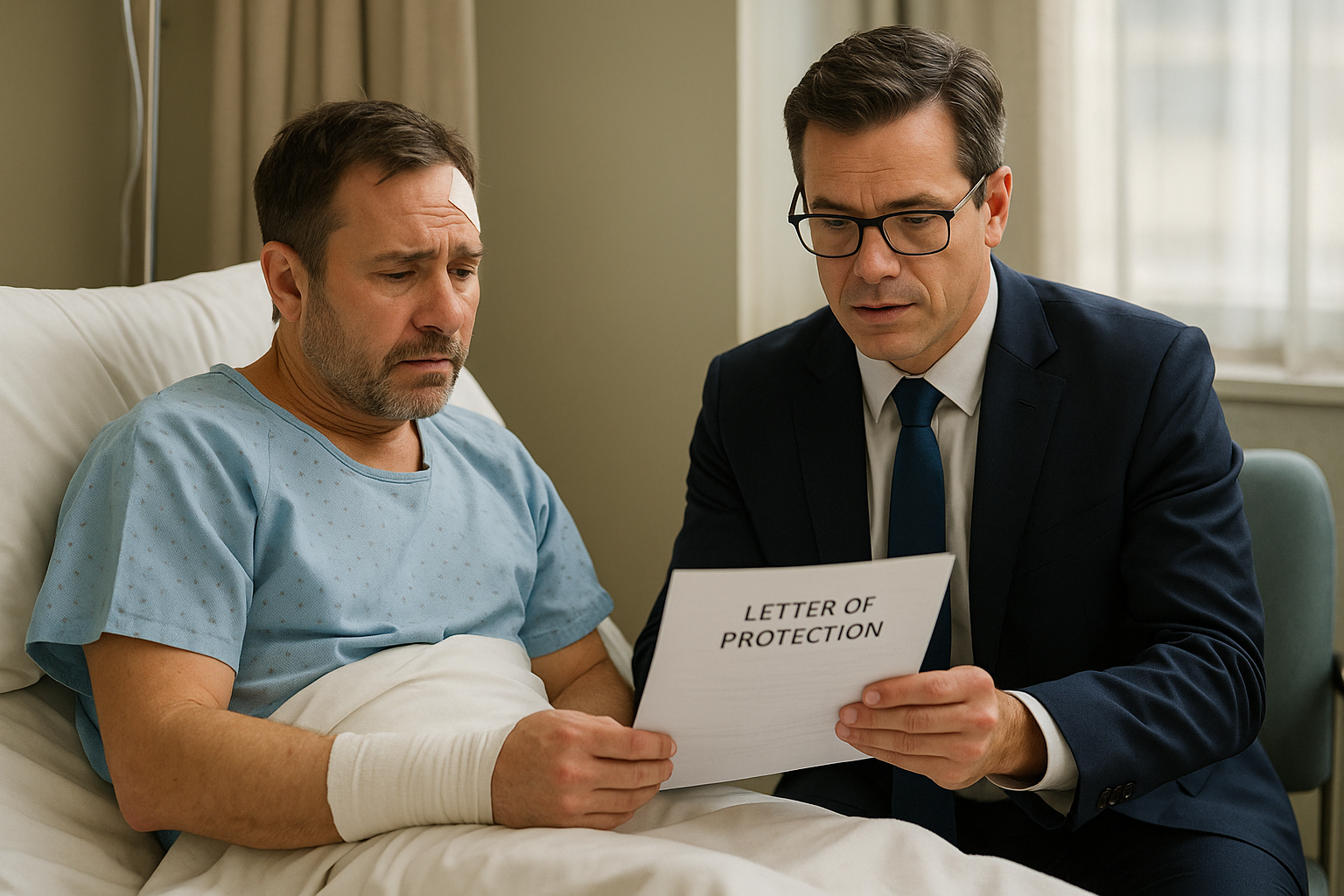
    If you’ve been injured in an accident but don’t have health insurance—or can’t afford treatment right away—you may worry about how to get the care you need. That’s where a Letter of Protection (LOP) can help.

    A Letter of Protection is a legal document that allows you to receive medical treatment now and pay later, once your personal injury claim or lawsuit is resolved.

    Below, we’ll explain how LOPs work, their benefits and risks, and when you might consider using one.


    1️⃣ How Does a Letter of Protection Work?

    A Letter of Protection is an agreement between you, your attorney, and your healthcare provider.

    ✅ Your attorney writes the letter promising that your medical bills will be paid out of any settlement or judgment you receive.
    ✅ The doctor agrees to provide treatment now without demanding upfront payment.
    ✅ When your case settles, your attorney pays the provider directly from the settlement funds.


    2️⃣ Why Would Someone Need an LOP?

    Many injury victims face these challenges:

    • No health insurance
    • High deductibles or out-of-network costs
    • Insurers refusing to pay for accident-related treatment
    • Limited access to necessary specialists

    An LOP helps bridge the gap, making sure you can get care even if you can’t pay right away.


    3️⃣ Benefits of a Letter of Protection

    ✔️ Access to Care Now
    You don’t have to delay treatment while you figure out payment. Prompt care can improve recovery and support your case.

    ✔️ Supports Your Legal Claim
    Medical records and doctor testimony can strengthen your case and demonstrate your damages.

    ✔️ No Upfront Payment
    You pay from your settlement later, reducing financial stress during recovery.


    4️⃣ Risks and Considerations

    While LOPs can be very helpful, they also have potential downsides:

    ⚠️ Higher Medical Bills – Providers may charge higher rates since payment is delayed.
    ⚠️ Lien on Settlement – The provider has a legal right to be paid from your settlement before you receive the remaining funds.
    ⚠️ Impact on Negotiations – Insurance companies may argue that LOP-related treatment is biased or overpriced, possibly affecting settlement value.
    ⚠️ No Settlement, Still Owe – If you don’t recover any money, you’re still responsible for the bills.


    5️⃣ Should You Use an LOP?

    A Letter of Protection can be an important tool for injured people without other options—but it’s not for everyone.

    ✅ Talk to an experienced personal injury attorney.
    ✅ Make sure you understand the terms and your obligations.
    ✅ Weigh the costs and benefits carefully.


    📞 Need Guidance?

    At The Woodlands Law Firm, we help injured clients understand all their options—including whether a Letter of Protection is right for them.

    Contact us today for a consultation. Let’s make sure you get the care you need while protecting your rights and your future.

  • How to Know If You Have a Personal Injury Claim

    How to Know If You Have a Personal Injury Claim

    Accidents happen every day. Sometimes they’re no one’s fault—but other times, someone’s carelessness causes serious harm. If you’ve been hurt, you may wonder: Do I have a personal injury claim? Should I call a lawyer?

    The truth is not every injury leads to a legal claim, but many do. Understanding the key legal elements of a personal injury case can help you decide whether it’s time to seek legal advice.

    Here’s what you need to know.


    1️⃣ The Basics of a Personal Injury Claim

    A personal injury claim is a legal case brought by someone who has suffered harm due to another person’s or entity’s negligence. To have a valid claim, you typically need to prove three main elements:

    Negligence
    Causation
    Damages


    2️⃣ Negligence: Did Someone Act Carelessly?

    Negligence means someone failed to act with reasonable care, leading to harm. Examples include:

    • A driver running a red light and causing a crash.
    • A store failing to clean up a spill, causing a customer to slip.
    • A dog owner letting an aggressive dog roam unleashed.

    Key question: Did someone have a duty to act carefully—and fail to do so?


    3️⃣ Causation: Did Their Actions Cause Your Injury?

    Even if someone was negligent, you must show their actions directly caused your injury.

    For example:

    • If you slip on a wet floor that wasn’t marked with a warning sign.
    • If a distracted driver hits you while you’re crossing the street.

    If your injury would have happened regardless of their actions, causation may not exist.


    4️⃣ Damages: Did You Suffer Losses?

    Finally, you need damages—actual losses or harm. These can include:

    • Medical bills
    • Lost wages or reduced earning capacity
    • Pain and suffering
    • Emotional distress
    • Property damage

    If you were hurt but didn’t need medical treatment or miss work, you may not have enough damages for a claim worth pursuing.


    5️⃣ Not Every Injury Leads to a Claim—But Many Do

    It’s important to understand that not all injuries qualify, but many do—especially when:

    • The other party’s fault is clear.
    • The injuries are serious or costly.
    • Insurance companies are disputing or minimizing your losses.

    6️⃣ When Should You Call a Lawyer?

    If you’re unsure, talking to a lawyer can help you understand your rights and options. Consider contacting an attorney if:

    ✅ You were injured in an accident caused by someone else.
    ✅ Your injuries required medical treatment.
    ✅ You’re facing significant bills or lost income.
    ✅ The insurance company is denying or lowballing your claim.

    Most personal injury lawyers offer free consultations and work on contingency—meaning you pay nothing unless they win your case.


    📞 Contact The Woodlands Law Firm Today

    At The Woodlands Law Firm, we’ve helped countless clients navigate personal injury claims and get the compensation they deserve. If you think you might have a case, don’t wait.

    Schedule your consultation today. Let us help you understand your rights and fight for your future.

  • How Lost Wages and Future Medical Costs Are Calculated in Injury Claims

    How Lost Wages and Future Medical Costs Are Calculated in Injury Claims

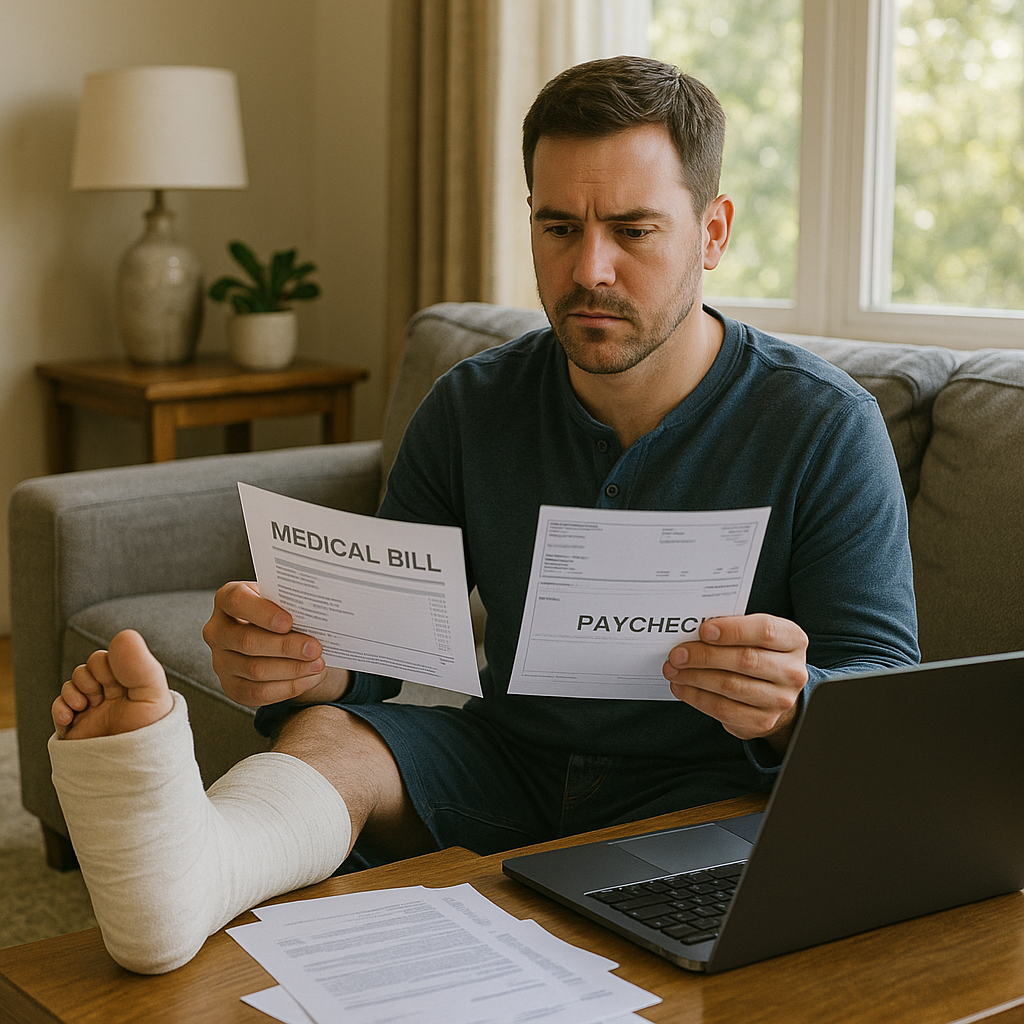
    When someone suffers an injury due to another person’s negligence, the financial toll can be steep. Two of the most important elements in any personal injury claim are lost wages and future medical costs. Understanding how these are calculated helps injury victims get fair compensation.


    🔹 What Are Lost Wages?

    Lost wages are the income you missed because your injury prevented you from working. This includes:

    • Hourly or salaried pay
    • Overtime
    • Bonuses or commissions
    • Sick leave or vacation time used due to the injury

    ✅ How to Calculate Lost Wages

    1. Collect pay stubs or tax returns. These documents prove your earnings.
    2. Multiply your daily earnings by the number of missed workdays.
      • Example: If you earn $200/day and miss 20 days of work, lost wages equal $4,000.
    3. Include all lost earning sources. If you missed bonuses or freelance gigs, add those too.

    Important: If your injury caused a long-term or permanent disability, lost earning capacity must also be considered. This involves a deeper calculation based on your age, job skills, and future career path.


    🔹 What Are Future Medical Costs?

    Future medical costs include any medical treatment you will need after your case is settled. These are based on your current condition, medical expert input, and treatment forecasts.

    Examples include:

    • Ongoing physical therapy
    • Future surgeries
    • Prescription medications
    • Long-term rehabilitation
    • In-home medical care or devices

    ✅ How to Estimate Future Medical Expenses

    1. Get written opinions from medical providers.
      • Doctors estimate the cost and duration of future care.
    2. Use current pricing for services.
      • Adjust for inflation and regional pricing differences.
    3. Work with a life care planner.
      • This expert builds a long-term care plan that outlines all expected costs.

    🔎 Who Calculates These Damages?

    To prove these losses, personal injury attorneys use:

    • Pay records and employer testimony
    • Medical reports and expert opinions
    • Financial planners or economists (for lost future earning potential)
    • Life care planners (for long-term medical needs)

    🧾 Why Accurate Calculations Matter

    Insurance companies often undervalue these costs. Without detailed documentation, you risk accepting a low settlement. Accurate calculation helps:

    • Prove your full financial impact
    • Maximize your claim value
    • Strengthen your negotiation position

    💬 Conclusion

    Lost wages and future medical costs are more than numbers—they reflect your life after an injury. Don’t settle without knowing what you’re truly owed.

    👉 Contact The Woodlands Law Firm today at (832) 626-0116 or schedule a free consultation. Our team will fight for the compensation you deserve.

  • Understanding Personal Injury Claims in Texas: Your Legal Rights

    Understanding Personal Injury Claims in Texas: Your Legal Rights

    Personal injury claims can arise when someone is harmed due to the negligence or wrongful actions of another. In Texas, injured parties have specific legal rights that allow them to seek compensation for medical expenses, lost wages, and other damages. Understanding the steps involved in these claims can help you protect your rights and build a strong case.

    What Qualifies as a Personal Injury Claim?

    A personal injury claim typically involves an incident where one party’s negligence or intentional act causes harm to another. Common examples include:

    • Car accidents:  Injuries caused by distracted or reckless drivers.
    • Slip and fall incidents:  Falls due to unsafe property conditions.
    • Workplace injuries:  Accidents that occur while performing job duties.
    • Medical malpractice:  Harm caused by negligent healthcare providers.
    • Defective products:  Injuries from unsafe or improperly labeled products.

    Legal Rights of Injured Parties

    In Texas, injured individuals have the right to:

    1. File a Claim: You can seek compensation for economic and non-economic damages, including medical bills, pain and suffering, and lost wages.
    2. Prove Negligence: To win your case, you must demonstrate that the other party acted negligently and caused your injuries.
    3. Statute of Limitations: You generally have two years from the date of the injury to file a claim, so it’s important to act quickly.

    Steps in Pursuing a Personal Injury Claim

    1. Seek Medical Attention: Your health should be the top priority. Prompt medical care not only aids recovery but also provides essential documentation of your injuries.
    2. Gather Evidence: Collect photos, videos, witness statements, and medical records to support your claim.
    3. Consult an Attorney: A personal injury lawyer can evaluate your case, negotiate with insurance companies, and represent you in court if necessary.
    4. File Your Claim: Your attorney will help you file the necessary paperwork and communicate with all parties involved.
    5. Negotiate or Litigate: Most claims settle out of court, but if an agreement cannot be reached, your case may go to trial.

    Why Choose a Texas Personal Injury Attorney?

    Texas law regarding personal injury cases can be complex. An experienced attorney will:

    • Navigate comparative fault rules that may impact your compensation.
    • Ensure you meet all filing deadlines and procedural requirements.
    • Maximize the value of your claim by identifying all potential sources of compensation.

    Get the Help You Deserve

    If you or a loved one has been injured, The Woodlands Law Firm is here to help. Our attorneys have extensive experience in personal injury cases and can provide personalized guidance. Schedule a free 15-minute consultation today by clicking our scheduling link HERE (832) 626-0116.

  • Debunking Common Myths About Personal Injury Claims in Texas

    Debunking Common Myths About Personal Injury Claims in Texas

    When it comes to personal injury claims, many people in Texas are hesitant to take legal action due to widespread myths and misconceptions. Unfortunately, these myths can prevent individuals from seeking justice and receiving the compensation they deserve. One particularly pervasive myth is the idea that “minor injuries don’t warrant legal action.” This article will clarify why even seemingly minor injuries could justify consulting a personal injury attorney in Texas.

    Myth: Minor Injuries Don’t Warrant Legal Action

    Clarification: Even Minor Injuries Can Have Long-Term Effects

    Injuries that initially appear minor may evolve into more serious health concerns over time. For example:

    • Delayed Symptoms: Conditions like whiplash or concussions might not fully manifest until days or weeks after an accident.
    • Chronic Pain: Minor sprains or strains can sometimes lead to long-term pain or mobility issues, affecting your quality of life.
    • Unanticipated Costs: Even small injuries can incur significant medical expenses, including follow-ups, physical therapy, or pain management.

    Texas Law on Personal Injury Cases

    Under Texas law, injured parties have the right to pursue compensation for all damages caused by someone else’s negligence, even if the initial injury appears minor. These damages may include:

    • Medical Expenses: Current and future costs related to your injury.
    • Lost Wages: Compensation for missed work due to your recovery.
    • Pain and Suffering: Compensation for physical pain and emotional distress.

    In Texas, the statute of limitations for personal injury cases is typically two years from the date of the incident. Waiting too long to act can hinder your chances of building a strong case, even for minor injuries.

    How Consulting an Attorney Can Help

    Hiring an experienced personal injury attorney in Texas ensures that your case is handled correctly. Here’s how an attorney can assist:

    1. Evaluating the True Scope of Your Injuries: Attorneys work with medical experts to determine the full extent of your injuries and future implications.
    2. Negotiating Fair Compensation: Insurance companies often minimize claims. An attorney fights to secure compensation that reflects your actual needs.
    3. Protecting Your Legal Rights: Even for minor injuries, navigating Texas’s legal system can be complex. An attorney ensures you meet all deadlines and requirements.

    Conclusion: Don’t Dismiss Your Injuries

    Minor injuries should not be dismissed without proper evaluation. Consulting a personal injury attorney can help you understand your rights, the full extent of your injuries, and the compensation you might be entitled to receive.

    Don’t wait until it’s too late! Schedule a free 15-minute consultation today by calling us at 832-626-0116, emailing admin@woodlands.law, or booking an appointment on our website (https://link.woodlands.law/book).

  • Demystifying Mediation in Texas: A guide to How it Works

    Demystifying Mediation in Texas: A guide to How it Works

    Mediation is a valuable and widely used conflict resolution process in Texas and beyond. In this blog post, we’ll break down what mediation is and how it works, offering a clear and accessible explanation for those who may not be familiar with this method of dispute resolution.

    What is Mediation?

    Mediation is a voluntary and informal process where a neutral third party, known as a mediator, facilitates communication and negotiation between parties in conflict. The goal of mediation is to help disputing parties reach a mutually acceptable resolution to their issues, avoiding the need for a protracted legal battle in court.


    How Does Mediation Work?

    Choosing a Mediator

    In a mediation process, the first step is selecting a qualified mediator. Mediators are typically individuals with specialized training and experience in dispute resolution. Parties involved in the conflict may agree on a mediator or use one provided by a court or a mediation service.

    Initial Meeting

    Once a mediator is chosen, all parties involved meet in a neutral, private setting. The mediator introduces themselves, explains the mediation process, and establishes ground rules, including confidentiality and respect.

    Opening Statements

    Each party is given an opportunity to make an opening statement, sharing their perspective on the conflict, concerns, and desired outcomes. This allows the mediator and other parties to understand the issues at hand.

    Information Gathering

    The mediator guides the discussion by asking questions and encouraging open communication. They may request documents, evidence, or information that helps in understanding the dispute. The mediator remains impartial and doesn’t take sides.

    Identifying Interests and Needs

    The mediator helps the parties identify their underlying interests and needs, rather than just their positions. This is a critical step, as it allows for creative solutions that can address the root causes of the conflict.

    Negotiation

    With the mediator’s guidance, the parties engage in negotiation. The mediator may facilitate discussions, suggest compromise options, and help keep the conversation constructive and focused on solutions.

    Agreement

    If the parties reach an agreement during mediation, the mediator assists in drafting a legally binding document that outlines the terms of the agreement. This document may be reviewed and signed by all parties, creating a commitment to follow through with the agreed-upon terms.  This document is a contract between the parties to resolve the dispute.

    Closing the Mediation

    Once an agreement is reached and documented, the mediation process concludes. If no agreement is reached, the parties still have the option to pursue other dispute resolution methods, such as litigation.


    Advantages of Mediation

    Mediation offers numerous advantages, including:

    1. Cost-Effective: Mediation is often less expensive than going to court, as it saves on legal fees and court costs.
    2. Speed: Mediation typically resolves disputes more quickly than litigation, which can be a lengthy process.
    3. Control: Parties have more control over the outcome and can create solutions that meet their specific needs.
    4. Confidentiality: Mediation discussions are private, and information shared in mediation is usually not admissible in court.
    5. Preservation of Relationships: Mediation is particularly useful when ongoing relationships need to be maintained, such as in family or business disputes.

    Conclusion

    Mediation is a valuable tool for resolving conflicts in Texas, offering a collaborative and less adversarial approach compared to litigation. With a trained and impartial mediator guiding the process, parties in dispute have the opportunity to work together to find solutions that best meet their interests and needs, ultimately saving time, money, and stress. If you’re facing a dispute in Texas, consider mediation as a viable and effective alternative to traditional litigation.  The Woodlands Law Firm offers mediation services, as Ms. Simpson has been a certified mediator since 2008 and has extensive experience in settling civil matters.  Contact us today!

  • Social Media Etiquette: Avoid Harassment & Stalking in Texas

    Social Media Etiquette: Avoid Harassment & Stalking in Texas

    Social media has revolutionized the way we communicate and connect with others. While these platforms offer countless benefits, they also come with the responsibility to respect others’ boundaries and privacy. In the state of Texas, as in any other jurisdiction, harassment and stalking are serious offenses with legal consequences. In this blog post, we will discuss guidelines for social media usage to ensure you stay within the bounds of the law and promote a safe and respectful online environment.

    Texas defines “Harrassment” and “Stalking” as follows:

    1. Harassment: Texas Penal Code § 42.07. This statute defines harassment as intentionally engaging in conduct that is meant to annoy, alarm, abuse, torment, or embarrass another person. It includes communication by telephone, in writing, or by electronic communication.
    2. Stalking: Texas Penal Code § 42.072. Stalking is defined under this statute as intentionally engaging in conduct that is meant to follow, surveil, or threaten another person, causing them to fear bodily injury or death, or injury to a family member or property.  Stalking also includes a person feeling “harassed, annoyed, alarmed, abused, tormented, embarrassed, or offended” by the behavior, so long as it would cause a reasonable person to feel that way as well.

    In order to avoid exposure to liability for social media posts, the following are good guidelines:

    1. Obtain Consent for Contact

    Before reaching out to someone on social media, ensure that you have their consent to contact them. This can be as simple as confirming their friend request or verifying that they are comfortable with you initiating communication. Unsolicited messages or friend requests can be perceived as invasive and may be considered harassment under Texas law.

    2.   Respect Privacy Settings

    Social media platforms offer various privacy settings that allow users to control who can view their posts and personal information. It is crucial to respect these settings and refrain from attempting to bypass them to gain unauthorized access to someone’s profile or private information. Doing so could be seen as stalking and might lead to legal repercussions.

    3.   Refrain from Cyberbullying

    Cyberbullying is a form of harassment that can cause emotional distress and harm to the victim. Under Texas law, cyberbullying, especially if targeted at minors, can have serious legal consequences. Avoid engaging in any behavior that involves harassment, intimidation, or spreading harmful content about others on social media.

    4.   Limit Online Monitoring

    Monitoring someone’s online activities excessively or obsessively can be construed as stalking. Resist the urge to closely follow someone’s every move on social media, especially if you are not personally connected to them.

    5.   Avoid Creating Fake Profiles

    Creating fake profiles or using someone else’s identity on social media is not only unethical but can also be considered identity theft and harassment under Texas law. Never impersonate others.

    6.   Respect No Contact Requests

    If someone asks you to stop contacting them or remove them from your social media connections, respect their request immediately. Ignoring such requests and continuing to reach out can be seen as harassment.

    7.   Report and Block Harassers

    If you experience harassment or stalking on social media, report the behavior to the platform administrators. Social media platforms have mechanisms in place to deal with such incidents and may take action against the harasser. Additionally, consider blocking the person to prevent further unwanted contact.

    8.   Think Before You Post

    Before sharing content on social media, think about how it might be perceived by others. Avoid posting offensive or inappropriate content that could be interpreted as harassing or threatening. Remember, once something is posted online, it can be challenging to completely erase it from the digital landscape.

    Conclusion

    Social media should be a place of positive interaction, community-building, and respect. By adhering to these guidelines and being mindful of others’ boundaries, we can create a safer and more enjoyable online environment. Under Texas law, harassment and stalking are taken seriously, and the consequences can be severe.

    Let’s all do our part to promote responsible and respectful social media usage, ensuring that everyone can enjoy the benefits of these platforms without fear of harassment or intrusion.

  • Truth: Not a Defense to Stalking and Harassment

    Truth: Not a Defense to Stalking and Harassment

    In this day and age of social media and instant connections, oftentimes relationships turn sour.  When that happens, the person who views themselves as the injured party may spread their version of the injury to as many people as will listen.

    When confronted, alleged victims typically claim that “truth” is a defense to defamation, libel, and slander. While truth is a defense in a defamation matter, what it is not is an unlimited license to stalk and/or harass a former paramour and/or the ex’s new relationships.

    For example: an alleged victim claimed they were a victim of domestic violence. Their former paramour, the perpetrator, was never charged or convicted, as there was no evidence. For years after the event, the alleged victim stalked their ex’s social media to see if they had moved on from their relationship. When the alleged victim discovered that they had, the alleged victim immediately began contacting the ex’s new relationship, their family, friends, and acquaintances with their version of past violent events, believing that they had a defense of “truth.”

    This was not the case. Regardless of what the truth may have been for the alleged victim, they were now guilty of their own crimes: stalking and harassmentThese types of actions have both civil and criminal repercussions. Depending on how the acts are carried out, these crimes can come with both federal and state remedies.

    In the context of stalking and harassment, the focus is primarily on the conduct and intent of the individual engaging in such behavior, rather than the truth or falsity of the statements made. While truth is typically a defense in defamation cases, it may not necessarily serve as a defense against stalking and harassment claims for several reasons:

    1. Intent and Reasonable Apprehension: Stalking and harassment laws usually consider the intent and effect of the behavior on the victim. Even if the statements made are true, they can still be considered harassing or stalking if they cause a reasonable person to fear for their safety or well-being.
    2. Course of Conduct: Stalking and harassment are often characterized by a pattern of behavior that goes beyond a single incident. The truth or accuracy of individual statements may be less relevant compared to the overall course of conduct, including repeated actions, unwanted contact, or surveillance.
    3. Privacy and Consent: Even if the information shared is true, the manner in which it is obtained and disseminated can still constitute harassment or stalking. Invasion of privacy, spreading private information without consent, or engaging in unwanted contact can be actionable offenses regardless of the truth of the information itself.
    4. Malicious Intent: If the behavior is driven by a malicious intent to cause harm, distress, or fear, the truth of the statements may be less significant. The focus shifts to the harm caused by the stalking or harassment, rather than the veracity of the information.

    Call 911 if you are unsafe. It’s important to note that laws can vary between jurisdictions, and the specific elements and defenses available may differ. If you are being harassed and/or stalked, call 911, reach out to your local law enforcement agency first, and get to a safe place. For less imminently dangerous behavior, The Woodlands Law Firm can assist you with formulating a cease-and-desist notice and/or in seeking injunctive relief.