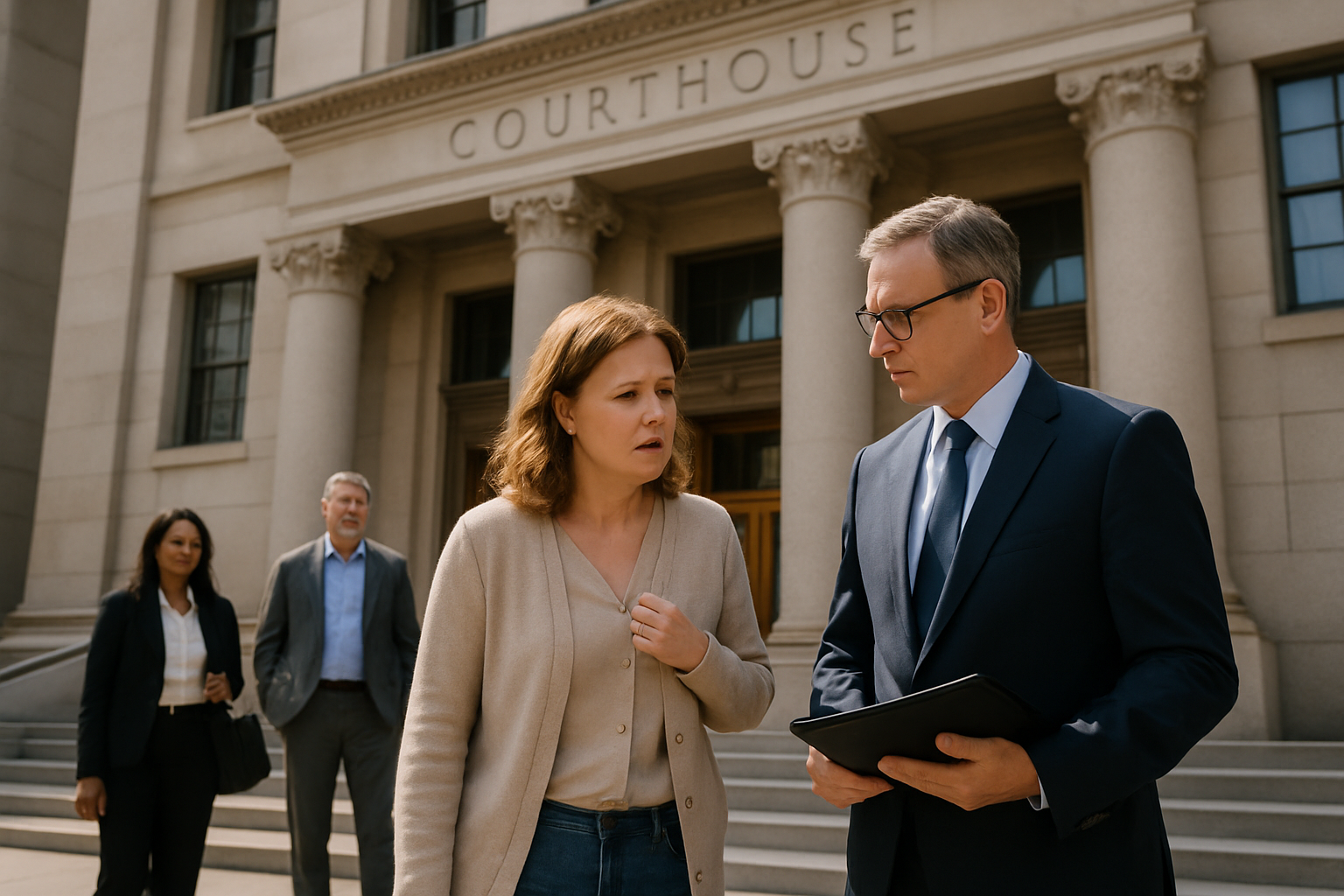
A trial verdict feels like the finish line—but it’s often just the beginning of the next phase. After a verdict is entered, both sides still have important options and responsibilities. Whether you’ve won or lost, it’s essential to know what can happen after a trial ends and what legal steps might come next.
Below we’ll explain post-trial motions, appeals, and enforcing judgments so you understand your rights and options.
1️⃣ Post-Verdict Motions
Even after the jury or judge reaches a verdict, either side may ask the court to reconsider or change the outcome. These post-trial motions must usually be filed within strict time limits.
✅ Motion for Judgment Notwithstanding the Verdict (JNOV):
Asks the judge to override the jury’s decision if no reasonable jury could have reached that verdict based on the evidence.
✅ Motion for a New Trial:
Seeks a complete do-over because of legal errors, jury misconduct, newly discovered evidence, or other serious problems affecting fairness.
✅ Motion to Amend or Set Aside Judgment:
Asks the court to change or vacate the judgment for specific legal reasons.
⚠️ These motions are time-sensitive and require solid legal grounds. Consulting an attorney quickly is critical.
2️⃣ Appeals
If post-trial motions fail (or in addition to them), a losing party may file an appeal to a higher court.
✅ What is an appeal?
It asks a higher court to review the trial court’s legal decisions for errors.
✅ Key points:
- Appeals aren’t new trials—no new evidence is presented.
- The appellate court focuses on whether the law was correctly applied.
- If errors are found, the court may reverse, modify, or send the case back for a new trial.
⚠️ Appeals also have strict deadlines—missing them can end your chance to challenge the result.
3️⃣ Enforcing a Judgment
Winning at trial is one thing—getting paid is another. If you win money damages, you may need to take steps to collect.
✅ Possible enforcement actions:
- Garnishing wages or bank accounts
- Placing liens on property
- Seizing assets as allowed by law
✅ Important considerations:
- Some assets may be exempt from collection.
- Debtors may try to hide or transfer assets.
- Courts can help enforce judgments, but the process can take time and strategy.
An experienced attorney can help you turn your judgment into actual payment.
4️⃣ Settlement After Verdict
Even after a trial and verdict, parties can still negotiate a settlement. For example:
✔️ A losing party might offer payment terms to avoid collection efforts.
✔️ Parties may settle to avoid the cost and uncertainty of appeals.
Settlement can be a practical way to resolve disputes even after trial.
📞 Get Help With Post-Trial Options
At The Woodlands Law Firm, we help clients navigate every phase of litigation—including what comes after the trial. Whether you need to:
✅ File or defend post-trial motions
✅ Pursue or resist an appeal
✅ Enforce or satisfy a judgment
—we’re here to protect your rights and guide you through the process.
Contact us today for a consultation.
Leave a Reply