Introduction
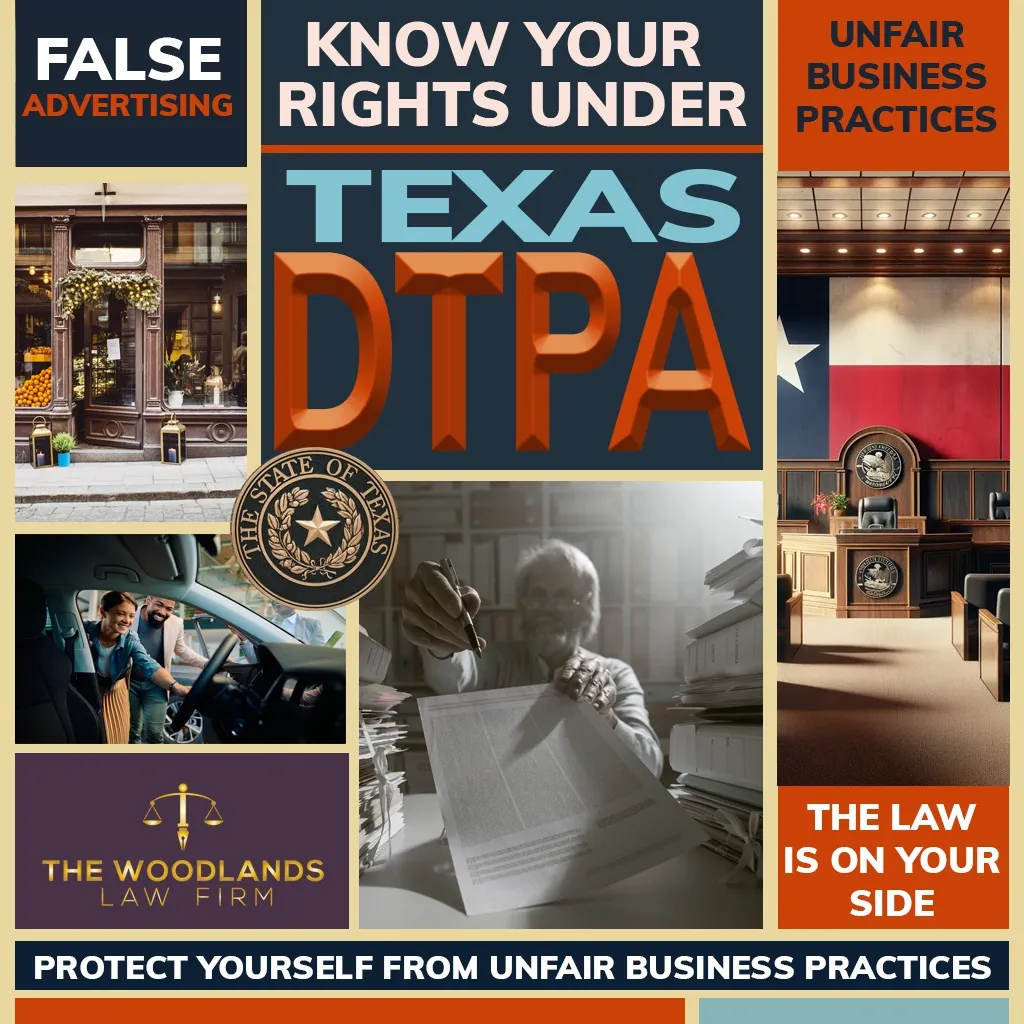
The Texas Deceptive Trade Practices Act (DTPA) was created to protect consumers from dishonest business practices and to promote fairness in the marketplace. Unfortunately, violations of the DTPA occur frequently, leaving Texas consumers exposed to financial losses, stress, and frustration. In this article, we’ll walk you through the ten most common violations of the DTPA so you can spot the warning signs and take action if needed.
- False Advertising: Have you ever seen an ad that seemed too good to be true? Often, businesses promote products or services with misleading claims—whether they’re overstating a product’s benefits, hiding defects, or lying about availability. These kinds of advertisements are a clear violation of the DTPA. If you were lured in by an ad that turned out to be false, you could have grounds for a claim.
- Failure to Disclose Known Defects: Texas law requires businesses to be upfront about any known defects before making a sale. Imagine purchasing a car, only to later discover it had significant damage that the seller was aware of but didn’t disclose. This kind of deceit is a clear violation of the Deceptive Trade Practices Act (DTPA). If a defect could significantly affect the product’s value or functionality, sellers are obligated to reveal that information—it’s as straightforward as that.
- Misrepresentation of Warranty Terms: Warranties are meant to give consumers peace of mind, but sometimes businesses aren’t upfront about what they actually cover. If a company exaggerates the scope of a warranty or hides important limitations, they’re violating your rights under the DTPA. For example, a business might promise a “full warranty” but bury details that limit what’s actually covered. Clear, honest communication about warranty terms is a legal requirement, and anything less is breaking the law.
- Bait-and-Switch Tactics: Have you ever encountered advertisements that promise incredible deals, only to find that the item is mysteriously out of stock when you arrive? This tactic is known as a “bait-and-switch.” It occurs when a business attracts customers with an alluring offer but then attempts to sell them something more expensive instead. It’s a classic deceptive practice and one that the DTPA strictly prohibits. If you’ve experienced this, you have the right to hold that business accountable.
- Unlicensed Services: Certain types of work—like electrical, plumbing, or contracting—require a state license to ensure safety and quality. If a business claims to be licensed but isn’t or implies they’re authorized to do work that they’re not qualified for, it’s a clear violation of the DTPA. This kind of misrepresentation not only breaks the law but can also put consumers at serious risk due to shoddy or unsafe work.
- Price Gouging: During times of emergency, like hurricanes or other natural disasters, the last thing you need is someone trying to take advantage of you. Price gouging—charging outrageously high prices during emergencies—is illegal under the DTPA. Texas takes this issue very seriously. If you see prices skyrocket on essential items during a crisis, that’s a clear sign of a violation, and you should report it.
- Passing Off Goods as Another: Have you ever bought something that seemed like a name brand but later realized it was a knockoff? Misrepresenting the origin or brand of a product is another type of DTPA violation. Whether it’s a counterfeit logo or a misleading label, if a business tries to pass off one product as something it’s not, they’re deceiving consumers and breaking the law.
- Failing to Honor Refund Policies: If a company advertises a money-back guarantee or a flexible return policy, they’re legally bound to honor it. But all too often, businesses ignore their own promises. If a company refuses to follow through on its advertised refund policy, they are violating the DTPA. As a consumer, you have every right to demand that a business keeps its word.
- Unfair Debt Collection Practices: Debt collection is already stressful, but some businesses use deceptive or abusive practices to pressure consumers. Under the DTPA, unfair debt collection methods—like false threats of legal action, contacting people without permission, or using profane language—are prohibited. If a business misrepresents the amount owed or intimidates you unfairly, that’s a serious violation of your rights.
- Using Fine Print to Hide Important Information: We’ve all seen those contracts filled with tiny, nearly unreadable print. Sometimes, businesses use fine print to hide key details—things like extra fees, restrictive terms, or conditions that could make a product much less attractive. If the fine print is used to obscure crucial information that could influence your decision, that’s a deceptive practice and may be a violation of the DTPA. Transparency is not optional—it’s a legal requirement.
The Impact of DTPA Violations on Consumers
When businesses violate the DTPA, the effects on consumers can be severe. Financial losses are often just the beginning—many people also experience emotional distress, mistrust, and even a sense of betrayal when they realize they’ve been taken advantage of. By understanding the most common types of DTPA violations, you can protect yourself and make informed decisions about when to take action.
What Should You Do If You Encounter a DTPA Violation?
The Texas Deceptive Trade Practices Act is there to protect you. If you think you’ve been a victim of any of the violations mentioned above, your best move is to talk to a lawyer who knows consumer law in Texas. An experienced attorney can look over your situation, help determine if you have a case, and guide you on the right path forward.
How The Woodlands Law Firm Can Help
At The Woodlands Law Firm, we take consumer rights seriously. We’ve helped countless Texans navigate the complexities of the Texas Deceptive Trade Practices Act, and we’re here to help you, too. If you think a business has deceived you, we’re ready to provide a free 15-minute consultation to discuss your situation and your options. Our attorneys are committed to getting justice for our clients and making sure dishonest businesses are held accountable.
We know that standing up to unethical companies can feel intimidating. That’s why we’re here—to provide personalized service, get to the bottom of your unique situation, and create a legal strategy that works for you. Don’t let dishonest practices go unchallenged. Contact us today, and let’s take control together.
Contact Us Today
If you believe you’ve been wronged under the Texas Deceptive Trade Practices Act, The Woodlands Law Firmis here to help. Contact us today at 832-626-0116, email us at admin@woodlands.law, or schedule your free 15-Minute consultation with one of our attorneys through our online scheduling tool HERE

Leave a Reply