Blog

  • Common Reasons Insurance Claims Are Denied

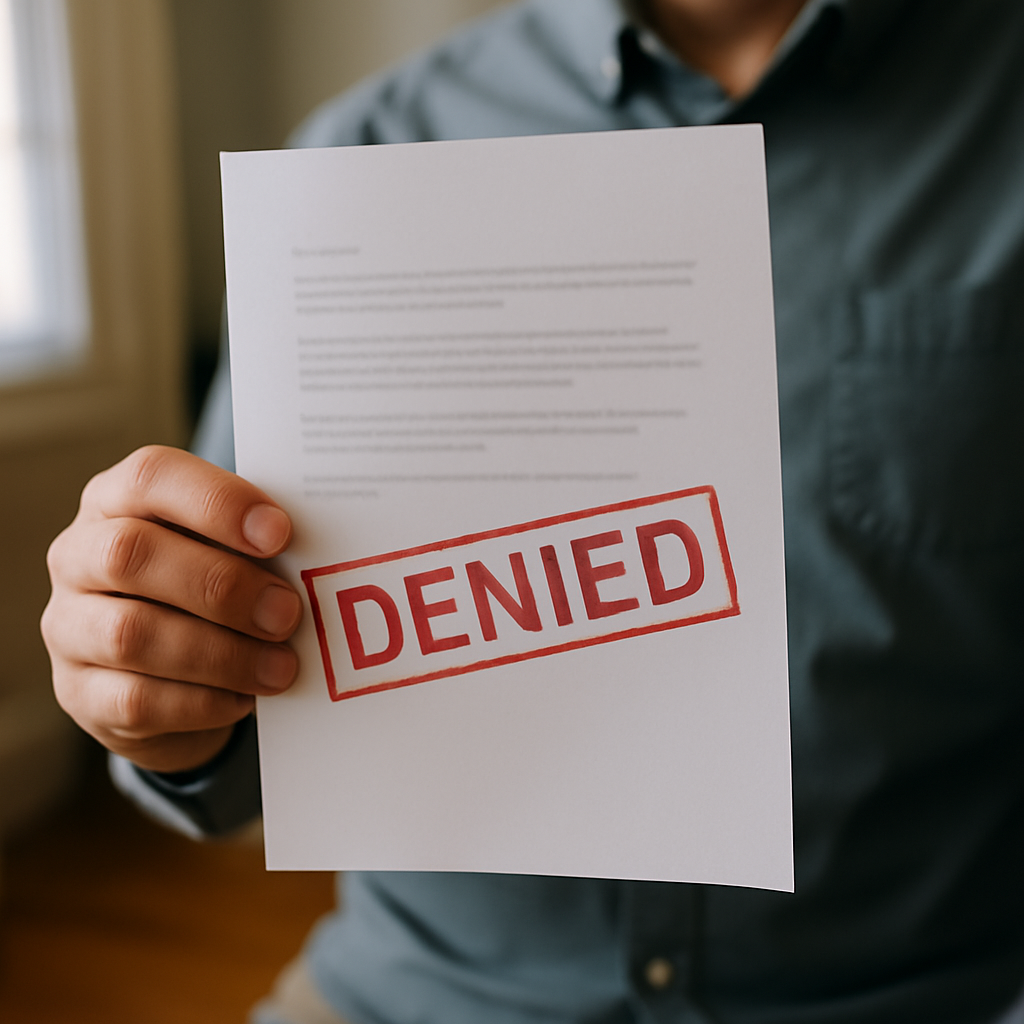
    Common Reasons Insurance Claims Are Denied

    ou pay your insurance premiums expecting protection when you need it most. But all too often, policyholders face unexpected claim denials—sometimes for valid reasons, and sometimes in bad faith.

    Understanding why insurers deny claims can help you avoid common mistakes, recognize unfair practices, and strengthen your case if you need to fight back.

    Below are some of the most common reasons claims get denied—and what you can do about it.


    1️⃣ Policy Exclusions

    ✅ Most insurance policies include explicit exclusions—things they won’t cover.
    ✅ Examples:

    • Flood damage excluded from homeowners insurance
    • Intentional acts excluded from liability coverage

    Tip: Always read your policy carefully to know what’s covered and what’s not.


    2️⃣ Lapsed or Unpaid Premiums

    ✅ Missing payments can cause your policy to lapse, leaving you with no coverage when you need it.
    ✅ Insurers will often deny claims if the policy wasn’t active on the date of loss.

    Tip: Stay on top of payments and confirm your policy is in force.


    3️⃣ Misrepresentations or Errors in Your Application

    ✅ Insurers may deny claims if they discover false information or omissions on your initial application.
    ✅ Even unintentional errors can create problems.

    Tip: Be honest and thorough when applying for coverage.


    4️⃣ Claim Filing Errors or Missed Deadlines

    ✅ Insurers require you to report claims promptly and follow specific procedures.
    ✅ Missing deadlines or failing to provide requested documentation can lead to denials.

    Tip: File claims quickly and keep copies of all communications.


    5️⃣ Disputed Cause of Loss

    ✅ Insurers may claim the damage or injury wasn’t caused by a covered event.
    ✅ Example: Saying a roof collapsed from “wear and tear,” not storm damage.

    Tip: Gather evidence, photos, and expert reports to prove your claim.


    6️⃣ Policy Limits and Underinsurance

    ✅ Even valid claims can be limited by policy caps.
    ✅ Insurers will not pay more than your maximum coverage amount.

    Tip: Review your policy regularly to make sure your limits match your needs.


    7️⃣ Alleged Fraud

    ✅ Insurers may deny claims if they suspect fraud or deliberate exaggeration.
    ✅ Even minor inaccuracies can be used against you.

    Tip: Be truthful and consistent in every claim.


    8️⃣ Bad Faith Denials

    ✅ Sometimes insurers wrongfully deny valid claims to save money.
    ✅ Signs of bad faith:

    • Unreasonable delays
    • Ignoring evidence
    • Misrepresenting policy terms
    • Lowball offers

    Tip: You have legal rights. A lawyer can help challenge bad faith practices.


    📞 Denied? Don’t Give Up.

    A denial doesn’t always mean the end. Many claims can be appealed or challenged.

    At The Woodlands Law Firm, we help clients:
    ✅ Review denial letters
    ✅ Understand their policy
    ✅ Gather evidence
    ✅ Negotiate or litigate to get the benefits they deserve

    Contact us today for a consultation. Let’s make sure you’re treated fairly.
  • Recognizing Deceptive Legal Service Advertisements

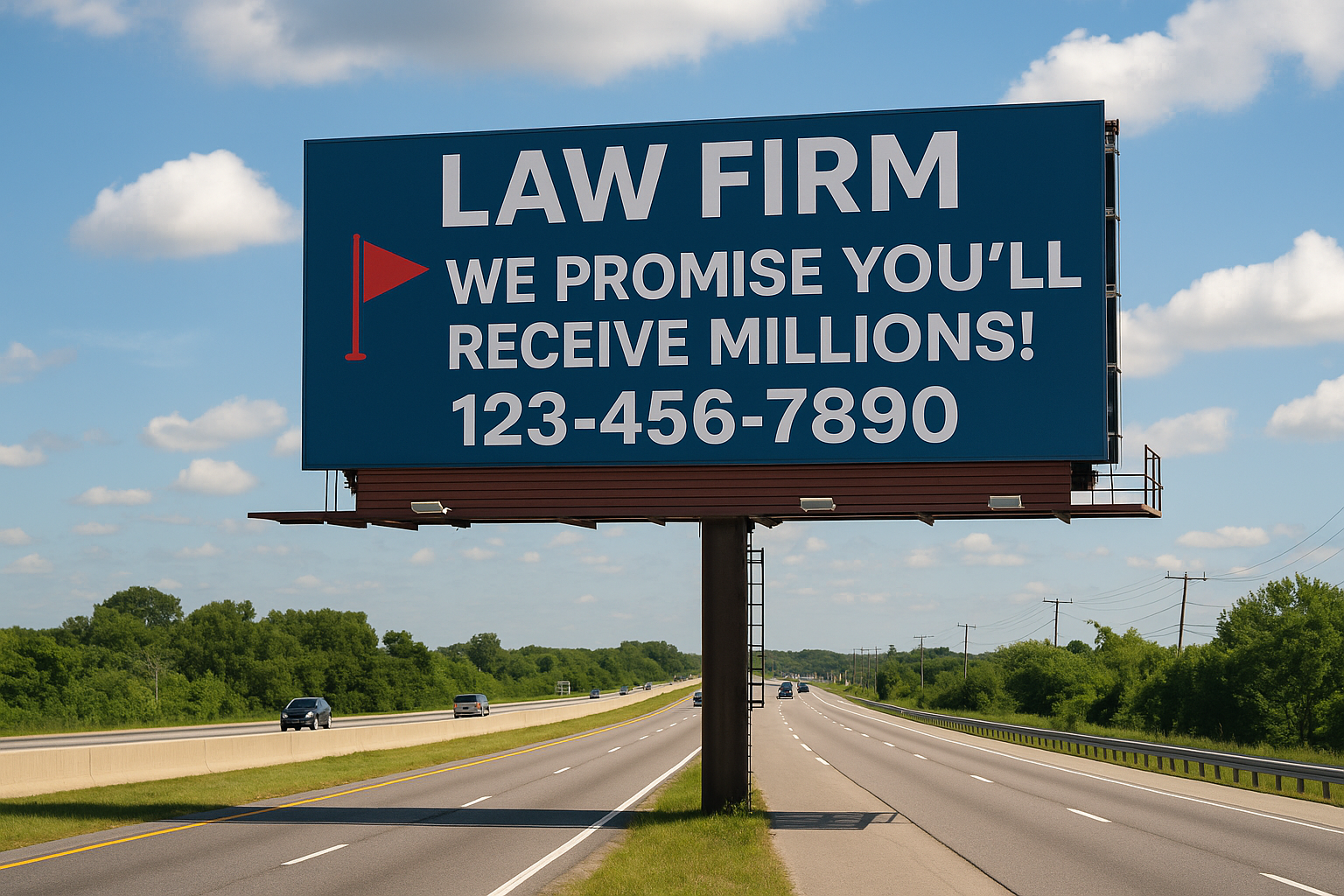
    Recognizing Deceptive Legal Service Advertisements

    When you’re looking for legal help, advertisements are often the first thing you see. Billboards, online ads, TV spots, and websites all promise to help—but not all legal ads are created equal.

    Some attorneys and legal service companies use misleading or exaggerated claims to win your business. It’s critical to know how to spot red flags, verify credentials, and choose representation you can trust.

    Below we’ll explain common advertising tricks and how to protect yourself.


    1️⃣ Beware of Guaranteed Results

    Red Flag: Ads that promise you’ll “win your case” or get “millions guaranteed.”
    Reality: No ethical attorney can guarantee an outcome. Every case is different.

    Tip: Trust lawyers who give you an honest, realistic assessment—not false promises.


    2️⃣ Watch Out for “Too Good to Be True” Fees

    Some ads highlight extremely low fees or “no cost” services.

    ✅ Make sure you understand:

    • Contingency fees (a percentage of your recovery)
    • Hourly rates or flat fees
    • Costs that may be deducted from any settlement

    Tip: Always ask for a clear written fee agreement before you sign.


    3️⃣ Check Their License and Credentials

    Some companies advertise “legal help” without licensed attorneys at all.

    ✅ Verify that you’re actually hiring a licensed lawyer.
    ✅ Check with your state bar association to see if they’re in good standing.

    Tip: Legitimate attorneys will provide their bar number and credentials.


    4️⃣ Investigate Their Experience

    ✅ Don’t rely on slick marketing alone. Look for:

    • Years of experience in the relevant practice area
    • Client reviews and testimonials
    • Case results (with realistic, verifiable examples)

    Tip: Ask questions about their experience handling cases like yours.


    5️⃣ Look for Clear, Honest Communication

    ✅ Ethical attorneys explain your options and the risks—not just the upside.
    ✅ Be wary of high-pressure sales tactics or pushy staff.

    Tip: Choose a lawyer who listens, answers your questions, and treats you with respect.


    6️⃣ Remember: Not All “Legal Services” Are Law Firms

    Be cautious of:

    • Document preparation companies that aren’t law firms
    • Non-attorney services claiming to offer legal advice
    • Out-of-state companies targeting local clients without being licensed locally

    ✅ These services often can’t represent you in court or give legal advice at all.


    📞 Protect Yourself and Make Informed Choices

    At The Woodlands Law Firm, we believe clients deserve honest advice, experienced representation, and clear communication—without misleading promises.

    If you’re looking for real legal help you can trust, contact us today for a consultation. Let’s talk about your needs and how we can help.

  • What Can Happen After a Trial Ends?

    What Can Happen After a Trial Ends?

    A trial verdict feels like the finish line—but it’s often just the beginning of the next phase. After a verdict is entered, both sides still have important options and responsibilities. Whether you’ve won or lost, it’s essential to know what can happen after a trial ends and what legal steps might come next.

    Below we’ll explain post-trial motions, appeals, and enforcing judgments so you understand your rights and options.


    1️⃣ Post-Verdict Motions

    Even after the jury or judge reaches a verdict, either side may ask the court to reconsider or change the outcome. These post-trial motions must usually be filed within strict time limits.

    Motion for Judgment Notwithstanding the Verdict (JNOV):
    Asks the judge to override the jury’s decision if no reasonable jury could have reached that verdict based on the evidence.

    Motion for a New Trial:
    Seeks a complete do-over because of legal errors, jury misconduct, newly discovered evidence, or other serious problems affecting fairness.

    Motion to Amend or Set Aside Judgment:
    Asks the court to change or vacate the judgment for specific legal reasons.

    ⚠️ These motions are time-sensitive and require solid legal grounds. Consulting an attorney quickly is critical.


    2️⃣ Appeals

    If post-trial motions fail (or in addition to them), a losing party may file an appeal to a higher court.

    What is an appeal?
    It asks a higher court to review the trial court’s legal decisions for errors.

    Key points:

    • Appeals aren’t new trials—no new evidence is presented.
    • The appellate court focuses on whether the law was correctly applied.
    • If errors are found, the court may reverse, modify, or send the case back for a new trial.

    ⚠️ Appeals also have strict deadlines—missing them can end your chance to challenge the result.


    3️⃣ Enforcing a Judgment

    Winning at trial is one thing—getting paid is another. If you win money damages, you may need to take steps to collect.

    Possible enforcement actions:

    • Garnishing wages or bank accounts
    • Placing liens on property
    • Seizing assets as allowed by law

    Important considerations:

    • Some assets may be exempt from collection.
    • Debtors may try to hide or transfer assets.
    • Courts can help enforce judgments, but the process can take time and strategy.

    An experienced attorney can help you turn your judgment into actual payment.


    4️⃣ Settlement After Verdict

    Even after a trial and verdict, parties can still negotiate a settlement. For example:

    ✔️ A losing party might offer payment terms to avoid collection efforts.
    ✔️ Parties may settle to avoid the cost and uncertainty of appeals.

    Settlement can be a practical way to resolve disputes even after trial.


    📞 Get Help With Post-Trial Options

    At The Woodlands Law Firm, we help clients navigate every phase of litigation—including what comes after the trial. Whether you need to:

    ✅ File or defend post-trial motions
    ✅ Pursue or resist an appeal
    ✅ Enforce or satisfy a judgment

    —we’re here to protect your rights and guide you through the process.

    Contact us today for a consultation.

  • What Is a Letter of Protection (LOP)?

    What Is a Letter of Protection (LOP)?

    If you’ve been injured in an accident but don’t have health insurance—or can’t afford treatment right away—you may worry about how to get the care you need. That’s where a Letter of Protection (LOP) can help.

    A Letter of Protection is a legal document that allows you to receive medical treatment now and pay later, once your personal injury claim or lawsuit is resolved.

    Below, we’ll explain how LOPs work, their benefits and risks, and when you might consider using one.


    1️⃣ How Does a Letter of Protection Work?

    A Letter of Protection is an agreement between you, your attorney, and your healthcare provider.

    ✅ Your attorney writes the letter promising that your medical bills will be paid out of any settlement or judgment you receive.
    ✅ The doctor agrees to provide treatment now without demanding upfront payment.
    ✅ When your case settles, your attorney pays the provider directly from the settlement funds.


    2️⃣ Why Would Someone Need an LOP?

    Many injury victims face these challenges:

    • No health insurance
    • High deductibles or out-of-network costs
    • Insurers refusing to pay for accident-related treatment
    • Limited access to necessary specialists

    An LOP helps bridge the gap, making sure you can get care even if you can’t pay right away.


    3️⃣ Benefits of a Letter of Protection

    ✔️ Access to Care Now
    You don’t have to delay treatment while you figure out payment. Prompt care can improve recovery and support your case.

    ✔️ Supports Your Legal Claim
    Medical records and doctor testimony can strengthen your case and demonstrate your damages.

    ✔️ No Upfront Payment
    You pay from your settlement later, reducing financial stress during recovery.


    4️⃣ Risks and Considerations

    While LOPs can be very helpful, they also have potential downsides:

    ⚠️ Higher Medical Bills – Providers may charge higher rates since payment is delayed.
    ⚠️ Lien on Settlement – The provider has a legal right to be paid from your settlement before you receive the remaining funds.
    ⚠️ Impact on Negotiations – Insurance companies may argue that LOP-related treatment is biased or overpriced, possibly affecting settlement value.
    ⚠️ No Settlement, Still Owe – If you don’t recover any money, you’re still responsible for the bills.


    5️⃣ Should You Use an LOP?

    A Letter of Protection can be an important tool for injured people without other options—but it’s not for everyone.

    ✅ Talk to an experienced personal injury attorney.
    ✅ Make sure you understand the terms and your obligations.
    ✅ Weigh the costs and benefits carefully.


    📞 Need Guidance?

    At The Woodlands Law Firm, we help injured clients understand all their options—including whether a Letter of Protection is right for them.

    Contact us today for a consultation. Let’s make sure you get the care you need while protecting your rights and your future.

  • When to Use a Business Attorney

    When to Use a Business Attorney

    Running a business is rewarding—but it also comes with legal risks and complex decisions. While many business owners try to do everything themselves to save money, the truth is having an experienced attorney on your side can prevent costly mistakes and even save you money in the long run.

    Here’s a guide to when you should call a business attorney—and why it’s worth the investment.


    1️⃣ Business Formation

    Starting your business the right way lays the foundation for future success.

    A business attorney can help you:
    ✅ Choose the right entity (LLC, corporation, partnership, etc.)
    ✅ File necessary paperwork correctly
    ✅ Draft an operating agreement or bylaws
    ✅ Understand tax implications and liability protections

    Cost vs. Benefit:
    An attorney’s fees are small compared to the costs of restructuring later or dealing with disputes over ownership or liability.


    2️⃣ Contracts and Agreements

    Clear, well-drafted contracts protect your business relationships and reduce risk.

    When to call an attorney:
    ✅ Drafting new contracts with customers, suppliers, partners, or employees
    ✅ Reviewing contracts you’re asked to sign
    ✅ Negotiating key deal terms
    ✅ Ensuring enforceability and compliance with local laws

    Cost vs. Benefit:
    A lawyer can help you avoid loopholes, hidden risks, and costly litigation down the line.


    3️⃣ Disputes and Litigation

    Even well-run businesses can face disputes.

    Call an attorney when:
    ✅ You’re threatened with a lawsuit
    ✅ A dispute arises with partners, employees, or vendors
    ✅ You need to enforce a contract
    ✅ You’re considering suing someone

    Cost vs. Benefit:
    Early legal advice often prevents lawsuits or positions you better if one happens.


    4️⃣ Regulatory Compliance

    Every industry has its own regulations. Ignoring them can lead to fines, penalties, and reputational damage.

    A business attorney can help with:
    ✅ Employment law compliance
    ✅ Industry-specific rules and licensing
    ✅ Data privacy laws
    ✅ Environmental regulations

    Cost vs. Benefit:
    Investing in compliance now avoids the expense and headache of government investigations or fines.


    5️⃣ Buying or Selling a Business

    Mergers, acquisitions, or even selling your business to a family member can be legally complex.

    A lawyer can:
    ✅ Conduct due diligence
    ✅ Draft purchase agreements
    ✅ Help with financing arrangements
    ✅ Ensure a smooth, legal transfer

    Cost vs. Benefit:
    Proper legal help protects you from liabilities and ensures you get fair value.


    6️⃣ General Counsel for Growing Businesses

    As your business grows, having a trusted legal advisor can pay off in many ways:
    ✔️ Proactive risk management
    ✔️ Faster contract turnarounds
    ✔️ Better negotiating leverage
    ✔️ Peace of mind knowing you’re protected


    📞 Ready to Talk?

    At The Woodlands Law Firm, we partner with businesses of all sizes to provide the legal guidance they need—when they need it.

    Contact us today for a consultation and find out how we can help your business stay protected, compliant, and ready for success.

  • Why Everyone Needs an Estate Plan

    Why Everyone Needs an Estate Plan

    When many people hear “estate planning,” they think it’s only for the wealthy. But the truth is everyone—no matter their income or assets—needs an estate plan.

    A good estate plan protects your family, honors your wishes, and saves your loved ones stress and expense down the road. Let’s look at why it matters and the basic tools that make it work.


    1️⃣ Plan for Incapacity

    Life is unpredictable. An illness or accident could leave you unable to make decisions about your finances or medical care.

    Without planning, your family may need to go to court for the authority to help you—costly, time-consuming, and stressful.

    Key tools:
    Durable Power of Attorney – lets someone you trust manage your finances if you can’t.
    Medical Power of Attorney / Healthcare Directive – appoints someone to make medical decisions on your behalf.


    2️⃣ Appoint Guardians for Minor Children

    If you have young children, your will is the place to name who you want to raise them if something happens to you.

    Without this, a court will decide—possibly choosing someone you wouldn’t have picked.

    ✅ A Will lets you choose guardians you trust and ensure your children’s well-being.


    3️⃣ Ensure Smooth Transfer of Assets

    When someone passes away without a plan, their estate may go through probate—a public, often slow court process.

    Estate planning helps your loved ones avoid unnecessary delays, costs, and conflict.

    Basic tools:
    Will – states who inherits what, and names an executor to carry out your wishes.
    Trust – can help avoid probate, keep things private, and manage complex needs like caring for minor children or loved ones with special needs.


    4️⃣ Protect Your Family and Your Wishes

    Estate planning isn’t just about money. It’s about peace of mind. It ensures:

    ✔️ Your wishes are legally enforceable.
    ✔️ Your family avoids confusion and conflict.
    ✔️ You make things easier during difficult times.


    5️⃣ It’s Not Just for the Wealthy

    No matter your age or income level, an estate plan is one of the most important gifts you can give your family. Even if you have modest assets, these documents can make all the difference.


    📞 Ready to Get Started?

    At The Woodlands Law Firm, we’re dedicated to helping families plan for the future with clarity and compassion.

    ✅ Wills
    ✅ Trusts
    ✅ Powers of Attorney
    ✅ Complete estate planning tailored to you

    Contact us today for a consultation and take the first step toward protecting what matters most.

  • What to Do When an Insurance Company Delays Your Claim

    What to Do When an Insurance Company Delays Your Claim

    When you file an insurance claim, you expect help—not endless waiting. But insurers sometimes stall, delay, or complicate the process, hoping you’ll give up or accept less than you deserve.

    Unreasonable delays can cause serious stress and financial harm. The good news? You have rights.

    Here’s how to recognize claim delays, understand your legal protections, and know what steps you can take.


    1️⃣ Why Do Insurance Companies Delay Claims?

    Insurers may use delay tactics to:

    ✅ Pressure you into accepting a low settlement
    ✅ Discourage you from pursuing your claim
    ✅ Increase their own investment income by holding onto money longer

    Common delay tactics:

    • Repeatedly asking for more documents
    • Failing to respond to calls or emails
    • “Losing” paperwork
    • Changing adjusters frequently
    • Giving vague reasons for delay

    2️⃣ Recognize Unreasonable Delays

    Not every delay is bad faith. Legitimate reasons include:

    ✔️ Needing time to investigate complex claims
    ✔️ Verifying coverage and damages
    ✔️ Coordinating with other insurers

    But if weeks turn into months with no clear progress, you may be dealing with bad faith.


    3️⃣ Know Your Legal Rights

    Most states have laws requiring insurers to handle claims promptly and fairly.

    ✅ Many require decisions within a set timeframe (e.g., 30–45 days after receiving all needed information).
    ✅ Unreasonable or unexplained delays may violate these laws.
    ✅ Insurers must give clear reasons for delays if requested.

    Bad faith insurance practices can result in penalties, interest, and even payment of your attorney’s fees.


    4️⃣ What to Do if Your Claim Is Delayed

    Document everything.

    • Keep copies of all communications.
    • Note dates of calls, emails, and responses.

    Follow up regularly.

    • Ask for clear timelines.
    • Request written explanations for delays.

    Review your policy.

    • Know your rights and the insurer’s obligations.

    File a complaint.

    • State insurance departments often accept consumer complaints.

    Consider legal action.

    • An experienced attorney can pressure the insurer to act or sue for bad faith damages.

    📞 Don’t Let Insurers Stall You

    At The Woodlands Law Firm, we help clients fight back against unreasonable insurance delays and bad faith tactics.

    If your claim is dragging on without answers, don’t wait. You have rights—and we can help enforce them.

    Contact us today for a consultation. Let’s make sure you get the benefits you paid for.

  • Understanding Your Consumer Rights

    Understanding Your Consumer Rights

    When you buy a product or pay for a service, you have important legal protections designed to ensure fair treatment. Consumer protection laws exist to prevent businesses from misleading you and to give you options if you’re treated unfairly.

    Knowing your rights helps you spot unfair practices, avoid scams, and hold businesses accountable. Here’s what every consumer should know.


    1️⃣ The Right to Truthful Advertising

    ✅ Businesses can’t make false or misleading claims about their products or services.
    ✅ Ads must be truthful and supported by evidence.

    Examples of violations:

    • Fake “limited-time” offers that aren’t real
    • Misrepresenting product benefits
    • Hiding important fees

    What to do: Report deceptive advertising to consumer protection agencies.


    2️⃣ The Right to Clear Labeling

    ✅ Products must have clear, accurate labels so you know what you’re buying.
    ✅ Ingredients, safety warnings, and instructions must be easy to read and truthful.

    Examples:

    • Food labels showing real ingredients
    • Safety warnings on electronics or toys

    What to do: Contact the seller or report unsafe products to regulators.


    3️⃣ The Right to Honest Business Practices

    ✅ Businesses must deal fairly and honestly with customers.
    ✅ They can’t use unfair, deceptive, or abusive tactics.

    Examples:

    • Bait-and-switch sales tactics
    • Charging hidden fees
    • Making false guarantees

    What to do: Demand refunds, file complaints, or consider legal action.


    4️⃣ The Right to Safety

    ✅ Products must meet minimum safety standards.
    ✅ Dangerous products can be recalled or banned.

    What to do: Stop using unsafe products and report them to the appropriate authorities.


    5️⃣ The Right to Redress

    ✅ If you’ve been harmed by a deceptive or unfair practice, you can seek compensation.
    ✅ Options include:

    • Complaining to the company
    • Filing with consumer protection agencies
    • Consulting an attorney

    📌 How to Protect Yourself

    ✔️ Read contracts and labels carefully.
    ✔️ Ask questions before buying.
    ✔️ Keep receipts and documentation.
    ✔️ Watch for high-pressure sales tactics.
    ✔️ Report problems promptly.


    📞 We’re Here to Help

    At The Woodlands Law Firm, we believe every consumer deserves honest, fair treatment.

    If you’ve been misled, overcharged, or treated unfairly by a business, you have rights—and we can help you protect them.

    Contact us today for a consultation. Let’s make sure your rights are respected.

  • What Can You Do If You’re Sued for the Wrong Reasons?

    What Can You Do If You’re Sued for the Wrong Reasons?

    Being served with a lawsuit is stressful—even more so when you believe the claims against you are unfair, baseless, or outright frivolous. But being sued doesn’t mean you automatically have to go to trial or pay up.

    Courts have procedures to weed out improper claims early. With the help of an experienced attorney, you can fight back quickly and effectively.

    Here’s what you need to know about challenging a bad lawsuit from the start.


    1️⃣ Understanding Frivolous or Baseless Lawsuits

    Not every claim brought against you has legal merit. Examples of improper suits include:

    ✅ Claims with no factual basis
    ✅ Lawsuits filed solely to harass or intimidate
    ✅ Legal theories that fail to state a claim recognized by law
    ✅ Suits filed in the wrong jurisdiction or venue

    Recognizing these flaws early is critical to mounting an effective defense.


    2️⃣ Early Defense Tools: Motion to Dismiss

    One of the most important early options is the motion to dismiss.

    ✅ A motion to dismiss asks the court to throw out the case before trial.
    ✅ It argues that even if all alleged facts are true, the plaintiff hasn’t stated a legal claim.
    ✅ Common grounds include lack of jurisdiction, improper venue, failure to state a claim, or expiration of the statute of limitations.

    Benefit: Saves time, money, and stress by ending meritless suits early.


    3️⃣ Affirmative Defenses

    Even if you can’t get a case dismissed outright, you may have affirmative defenses that defeat the claim.

    ✅ Statute of limitations has expired
    ✅ Plaintiff consented to your actions
    ✅ Self-defense or justification
    ✅ Plaintiff’s own negligence contributed to the harm

    Affirmative defenses must usually be raised early—often in your first answer to the complaint—or you might lose the right to use them later.


    4️⃣ Motion for Summary Judgment

    If a case survives the early stages, you can still try to end it before trial with a motion for summary judgment.

    ✅ Shows there are no genuine disputes of material fact.
    ✅ Demonstrates you’re entitled to judgment as a matter of law.

    Benefit: Avoids the time and expense of a trial when the facts and law clearly favor you.


    5️⃣ The Cost of Ignoring a Lawsuit

    Never ignore a lawsuit—even if you think it’s ridiculous.

    ✅ Failing to respond can lead to a default judgment against you.
    ✅ That judgment can be enforced through wage garnishment, liens, or bank account levies.

    Best practice: Always take legal action seriously and consult an attorney immediately.


    📞 Don’t Face a Lawsuit Alone

    At The Woodlands Law Firm, we help clients understand their options and fight back against unfair, harassing, or baseless lawsuits.

    ✅ We analyze the claims for weaknesses.
    ✅ We file motions to dismiss when possible.
    ✅ We assert all available defenses to protect you.

    Contact us today for a consultation. Let’s make sure you’re protected and prepared.

  • How to Know If You Have a Personal Injury Claim

    How to Know If You Have a Personal Injury Claim

    Accidents happen every day. Sometimes they’re no one’s fault—but other times, someone’s carelessness causes serious harm. If you’ve been hurt, you may wonder: Do I have a personal injury claim? Should I call a lawyer?

    The truth is not every injury leads to a legal claim, but many do. Understanding the key legal elements of a personal injury case can help you decide whether it’s time to seek legal advice.

    Here’s what you need to know.


    1️⃣ The Basics of a Personal Injury Claim

    A personal injury claim is a legal case brought by someone who has suffered harm due to another person’s or entity’s negligence. To have a valid claim, you typically need to prove three main elements:

    Negligence
    Causation
    Damages


    2️⃣ Negligence: Did Someone Act Carelessly?

    Negligence means someone failed to act with reasonable care, leading to harm. Examples include:

    • A driver running a red light and causing a crash.
    • A store failing to clean up a spill, causing a customer to slip.
    • A dog owner letting an aggressive dog roam unleashed.

    Key question: Did someone have a duty to act carefully—and fail to do so?


    3️⃣ Causation: Did Their Actions Cause Your Injury?

    Even if someone was negligent, you must show their actions directly caused your injury.

    For example:

    • If you slip on a wet floor that wasn’t marked with a warning sign.
    • If a distracted driver hits you while you’re crossing the street.

    If your injury would have happened regardless of their actions, causation may not exist.


    4️⃣ Damages: Did You Suffer Losses?

    Finally, you need damages—actual losses or harm. These can include:

    • Medical bills
    • Lost wages or reduced earning capacity
    • Pain and suffering
    • Emotional distress
    • Property damage

    If you were hurt but didn’t need medical treatment or miss work, you may not have enough damages for a claim worth pursuing.


    5️⃣ Not Every Injury Leads to a Claim—But Many Do

    It’s important to understand that not all injuries qualify, but many do—especially when:

    • The other party’s fault is clear.
    • The injuries are serious or costly.
    • Insurance companies are disputing or minimizing your losses.

    6️⃣ When Should You Call a Lawyer?

    If you’re unsure, talking to a lawyer can help you understand your rights and options. Consider contacting an attorney if:

    ✅ You were injured in an accident caused by someone else.
    ✅ Your injuries required medical treatment.
    ✅ You’re facing significant bills or lost income.
    ✅ The insurance company is denying or lowballing your claim.

    Most personal injury lawyers offer free consultations and work on contingency—meaning you pay nothing unless they win your case.


    📞 Contact The Woodlands Law Firm Today

    At The Woodlands Law Firm, we’ve helped countless clients navigate personal injury claims and get the compensation they deserve. If you think you might have a case, don’t wait.

    Schedule your consultation today. Let us help you understand your rights and fight for your future.